
The Problem
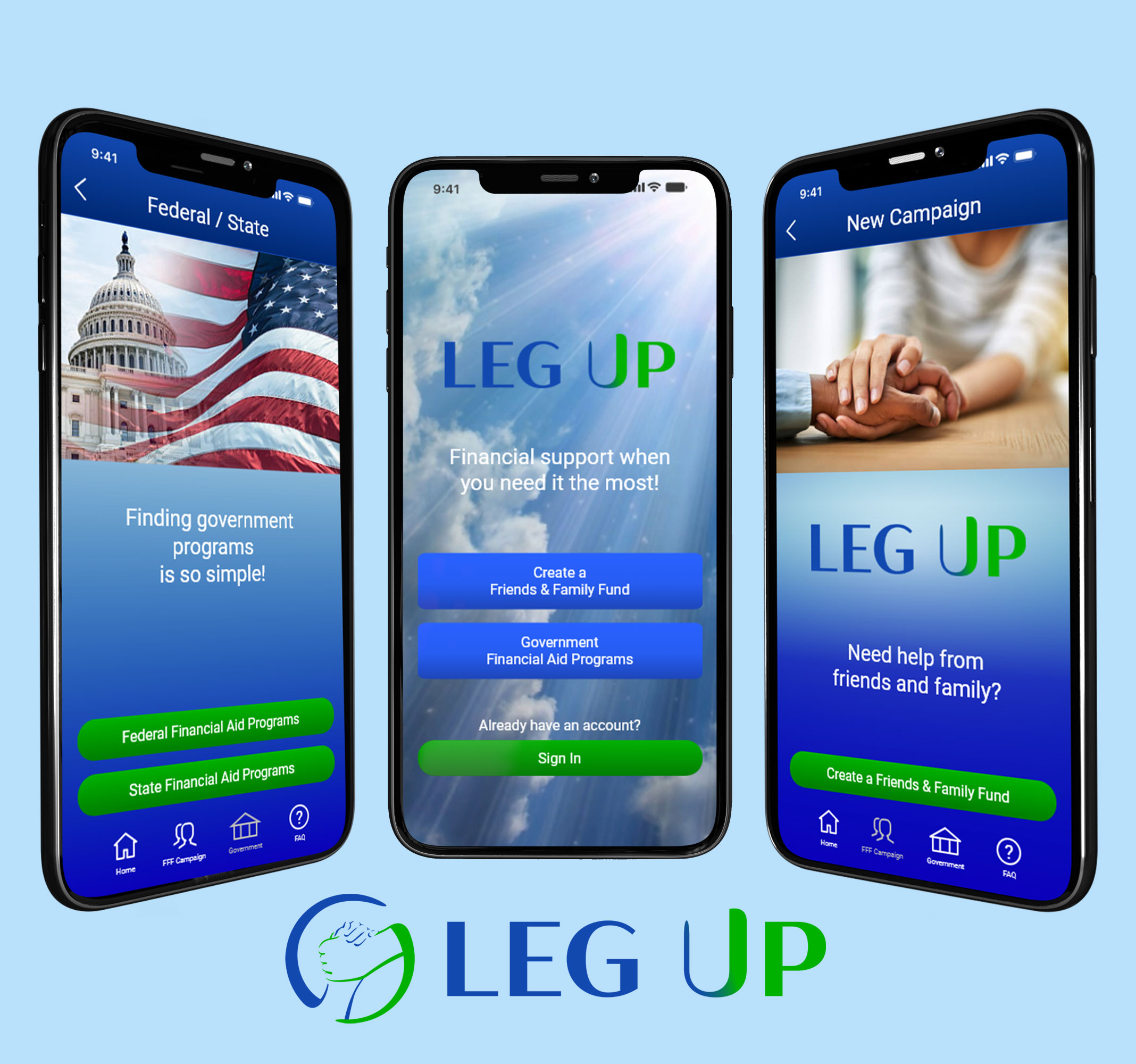
Leg Up is an app that helps unemployed people find financial support through government programs and social networks, solving a need for millions of users worldwide. Our biggest challenge was creating a platform where users could maintain their dignity while soliciting support from friends and family.
The Solution
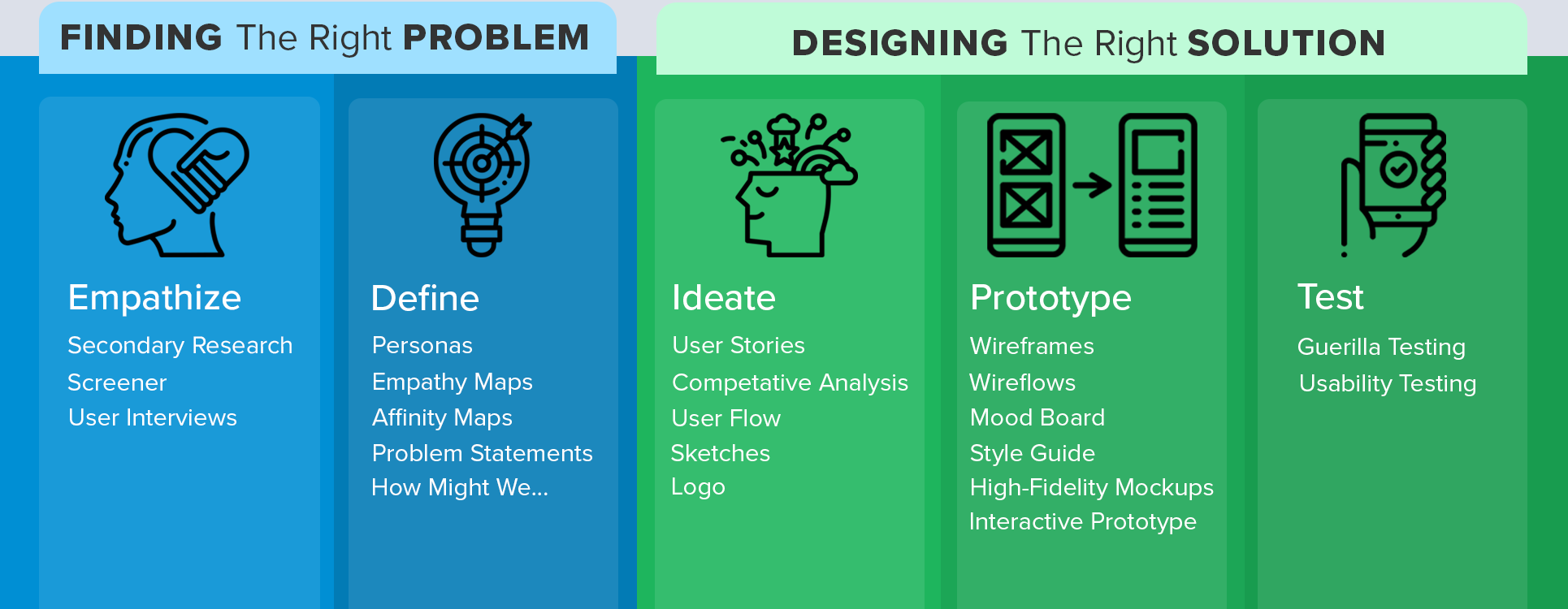
We conducted user research to get some initial direction in the project and then progressed through to full in-house design implementation, using an evaluation-heavy human-centered design approach to reduce risk and ensure the design would meet our user’s needs.
My Role
I worked as the lead designer on every phase of the project beginning with user research and through every iteration of the product’s development.

SECONDARY RESEARCH
To understand our users, I began by reading many articles from industry leaders like Forbes and monster.com, which provided valuable insights and tips about how to overcome the problems associated with unemployment. While this information was helpful, it lacked the personal approach I needed to understand the users from their perspective. I read through hundreds of personal accounts on Quora. Their testimonies were real and some difficult to get through. Most people wrote about their fear of not being able to meet their financial responsibilities, constant rejection, and their self-esteem.
Here is a sampling of the personal testimonials. To protect privacy all testimonials are anonymous.
Financial Fear
No money coming in; Lots of money coming out — every month bills keep coming to gnaw another hearty chunk off your bank account.
– Anonymous
Rejection
Getting rejected and hearing the same advice for the 100th time: network, apply broadly, be more confident, etc. Hearing these flaws eats at my self-esteem. It also makes me less confident in interviews, which is detrimental! It’s also difficult to gauge my self-worth when I don’t work or contribute to society. I don’t feel very relevant.
– Anonymous
Self Worth
There’s the psychological toll this situation takes on you, because living like this really messes with your head. Never receiving any gratification, never having money, never having anything, it’s a tough spot to be in.
– Anonymous
If a person’s unemployment period extended beyond 6 months, testimonials moved into darker emotions of worthlessness, hopelessness, depression, and even suicide.
Hopelessness
I seriously face, every day, the very very real possibility of permanent unemployment, and that scares me, almost as bad as the possibility of getting a low paying job and being stuck with that job for the rest of my life, I didn’t spend 20 years studying to get a 200€/week job dammit! I still have dreams I want to realize, and I’m not talking about McMansions and sports cars, but just having my normal job, my normal suburb apartment, my wife, my kids, a normal life, my average car, a trip somewhere once in a while, getting a pizza with my family once in a while. The happiness of being normal, being a good person, a simple person. But all of that seems so luxurious and so far away.
– Anonymous
Depression
Days are long, very long, what used to amuse me now doesn’t anymore, you basically do not care about anything anymore, you’re almost completely apathetic. I surely have time to think, yes, I made some poor decisions career-wise in my past, or better, I thought those were good decisions back then but things didn’t turn out as I planned at all.
– Anonymous
Suicide
There are days that I wake up and I feel like I want to tear everyone apart, other days you’re just plain sad, other days you led yourself to believe there’s a (quite easy) way out (it lasts for a couple of days at most), other days you basically loathe the entire universe. Of course you think about suicide, at least 3/4 times every week, you even go as far as planning it in great details, when, how, where, what I’ll write in my suicide note; if someone who’s unemployed tells you he/she hasn’t given suicide a thought, not even once, I can assure you they’re lying to keep you out of their mind, to keep you out of their private business, because they do not want to appear weak and do not want to receive unwanted attention (me neither I think, unless I wouldn’t be posting this as an anonymous user).
– Anonymous
During my research, I struggled with this challenge, “How do I find a solution to a problem that is so different on many levels”.
PRIMARY RESEARCH
Screener Survey
Tools: Google Forms
While the information I gathered during my desktop research helped me understand the problem space and empathize with people who are experiencing the challenges of unemployment, it created additional questions that needed to be answered. To dive deeper and answer these questions, I created a screener survey with 11 questions and multiple choice answers. 36 respondents filled out the survey with the following results:
What is your age?

Are you presently unemployed?

How long have you been unemployed?

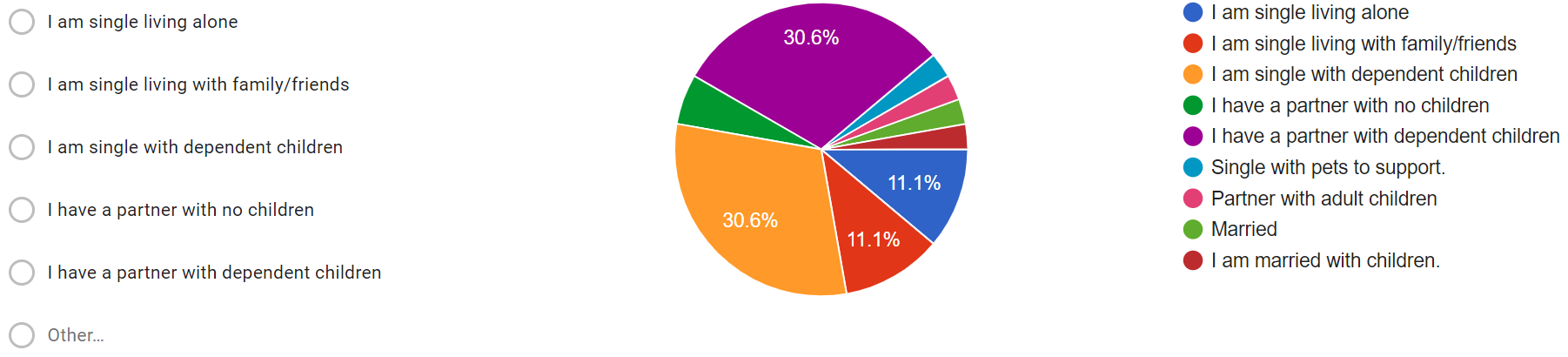
What is your immediate family situation?
Are you the sole provider?

Have you had any financial assistance while you have been unemployed?
Are you currently receiving financial assistance?

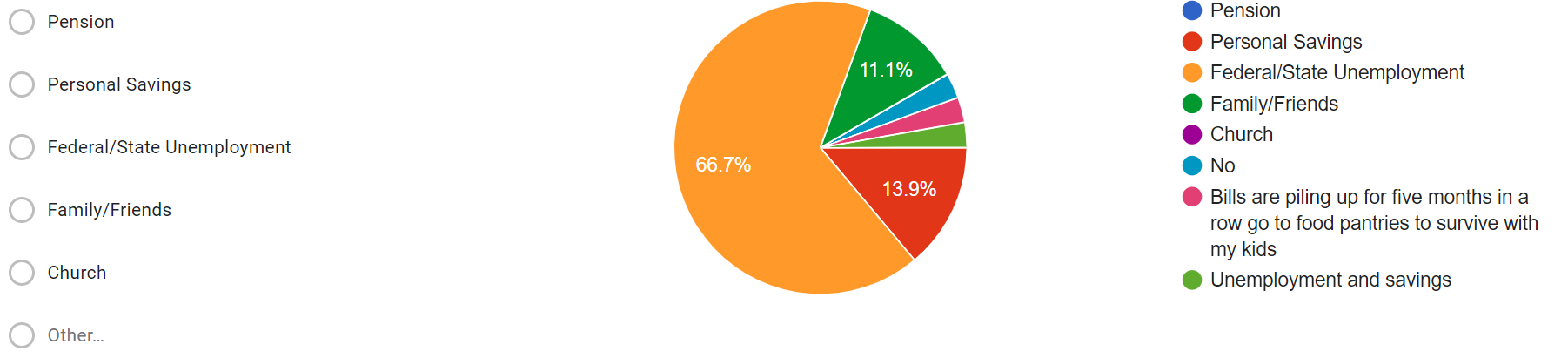
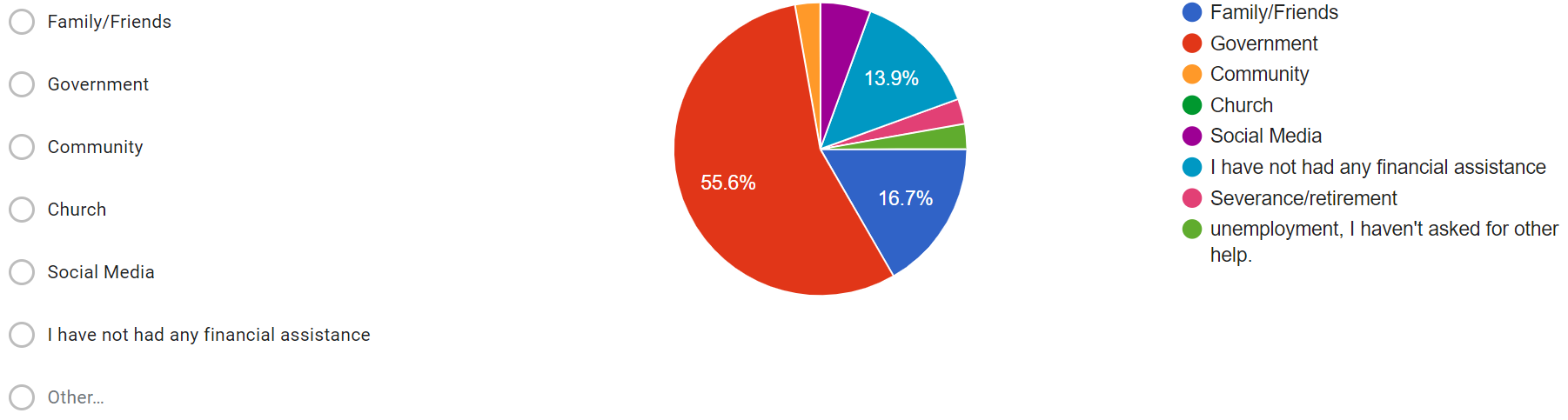
What financial assistance has helped you the most while you have been unemployed?
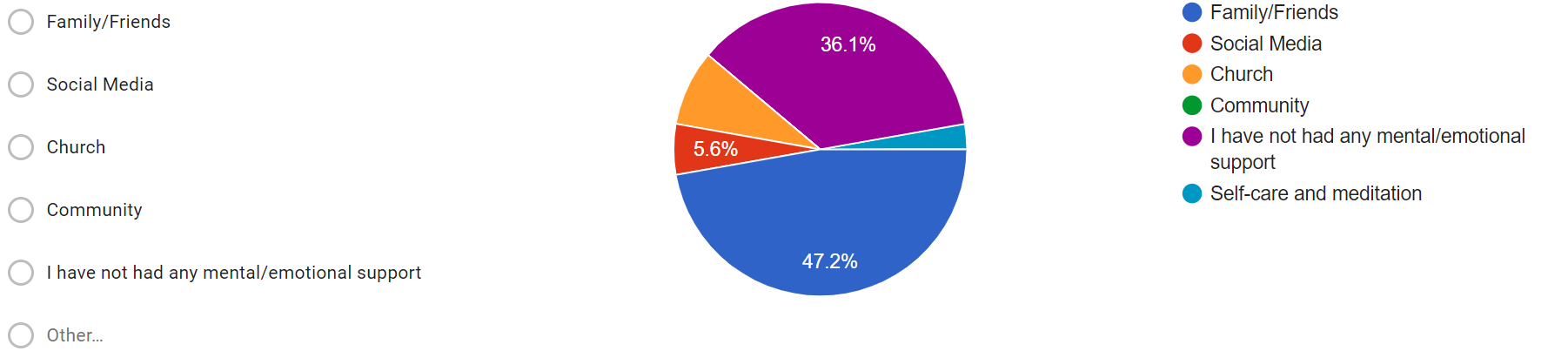
What mental/emotional support has helped you the most while you have been unemployed?
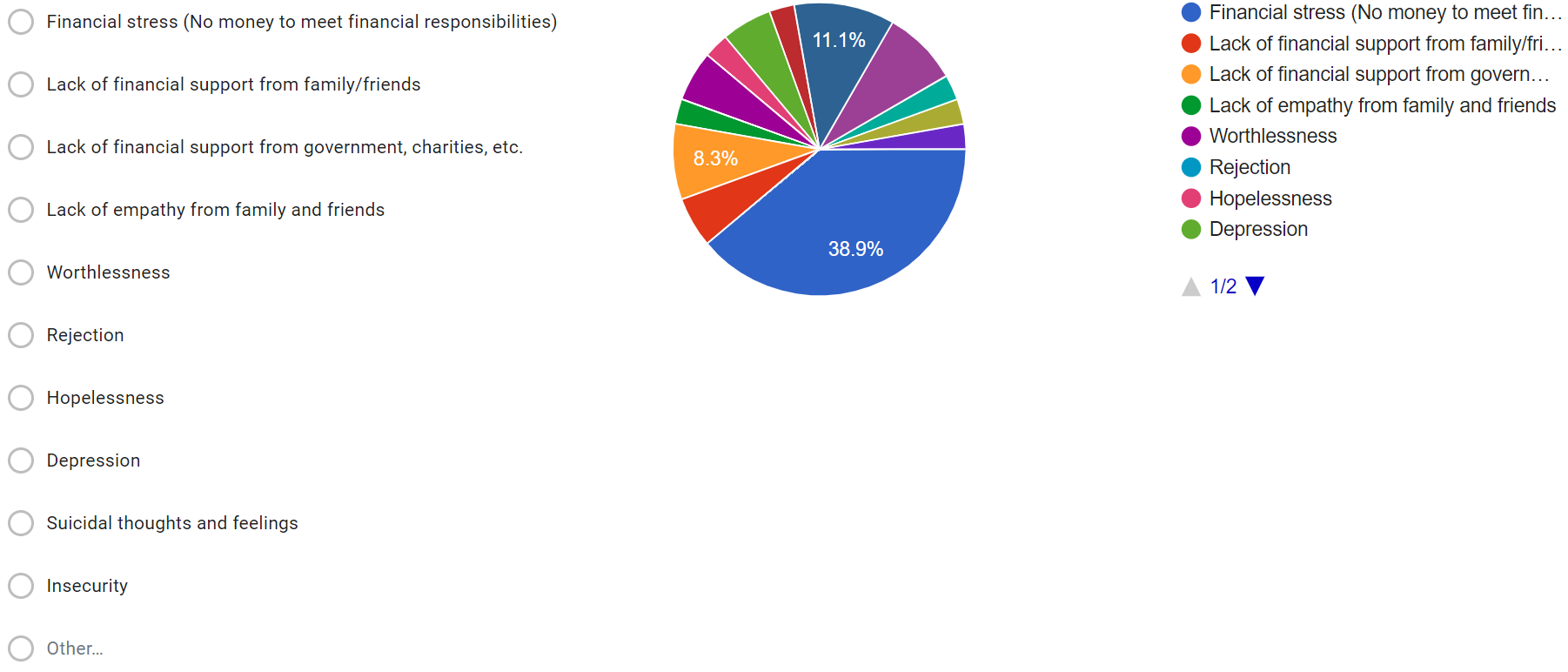
What has been the hardest part about being unemployed?
Interviews
The screener survey was valuable in getting a clearer understanding of unemployment, but it lacked the capacity to understand the individual on a more personal level. To increase my empathy of the unemployed experience, I interviewed 5 unemployed persons who were either currently, or had recently been unemployed. The interviews lasted between 30-45 mins.
Research Questions
- How long have you been unemployed?
- Can you describe to me your typical day, from getting up in the morning, your activities during the day, till going to bed?
- Have you received any government financial support, if not why?
- Have any family and friends offered financial support to you during your unemployed period, if not, do you know why?
- Have you received any financial support from your community, local churches or other charities?
- Have you received any free or discounted services from professionals, like medical doctors, lawyers, day-care, resume writers, career coaches or job recruiters?
- Can you describe the emotions you have experienced, while you have been unemployed?
- Can you describe the most difficult part of being unemployed?
- What support tools and resources, which do not exist, would have been helpful to you during your unemployment?
Insights
Here are some important highlights and quotes I got from the interviews:
The average day…
“Sleep till 10 – 11 gardening around the house, play video games. Looking for work but not willing to take less pay. Applying on California job boards, craigslist, local job postings. Pray and the job comes to me in a week. Outdoor activity, local park or drive. Find dinner at home or restaurant. Watch a movie or news. Go to bed around 1:00 am”.
Ben H
“8:00 Take care of things around the house, job services, job search, DWS, indeed, Linked in. A little networking, should have done a whole lot more. Still interviewing and applying.”
Shad R
Government Support
“Felt hand cuffed – feels like it doesn’t matter what skills I have, I will only get what the government approves. Get your money back – is a slap in the face. I have been grateful for it though, it has helped me sustain myself. I want to have a clean record, that I haven’t had to take advantage of anyone else.”
Ben H
“I was initially disqualified, but I appealed it and they approved. The amount I received gave us the money to move, it took months to receive anything. The pandemic relief has been very helpful”.
Sara W
“The government application process was a nightmare, had to file online, hardly any service, took you 4 days for me to initially send to the unemployment, after it finally went through, I was immediately denied because of how I answered the questions. If I waited for a day I would have been approved, took months to finally get anything from it. Called day after day, high call volume, automated voice dysfunction”.
Sara W
Family Support
“I don’t expect my family and friends to take care of me. I did not like having to ask for money, grovel, beg, when there are opportunities under our noses. It’s a horrible feeling. My family is not a wealthy family, so we have not ever asked for anything.”
Ben H
“Just wanted someone to hold my hand, to be there for me. I had no one there for me“.
Sara W
“Friends and family have been supportive with babysitting, but I have not received any financial support from friends, family or church“.
Carissa H
“Very grateful, to know there were people who were willing to help without me having to ask.“
Shad R
“No. We MAJORLY cut down and went to bare bones”.
Sara B
Community/Church Support
“Received payments from the Salvation Army for my rent, food stamps and trash aid. St. Vincent’s church, they were very helpful and paid for rent for one month and PG&E. I feel like I have been more capable than the people on the street so I don’t want to take advantage of anyone else“.
Sara W
“If your kids are not vaccinated you can’t use Child care services”.
Carissa H
Emotional Challenges
“Feel low on the totem pole. At first it’s not bad, then after a while, hopeless, no one wants you, depressed, anger increases”.
Shad R
“Worthlessness, never ending, financial stress, relationship concerns”.
Sara W
Hardest Part
Not being able to provide for my family, like I once did, not being able to work makes me feel unworthy and useless, it makes you feel down on yourself, helpless and it sucks.
Sara W
Fulfilling financial obligations, while trying to stay upbeat for interviews is extremely difficult!
Sara B

PERSONAS
Tools: Adobe Photoshop, PowerPoint
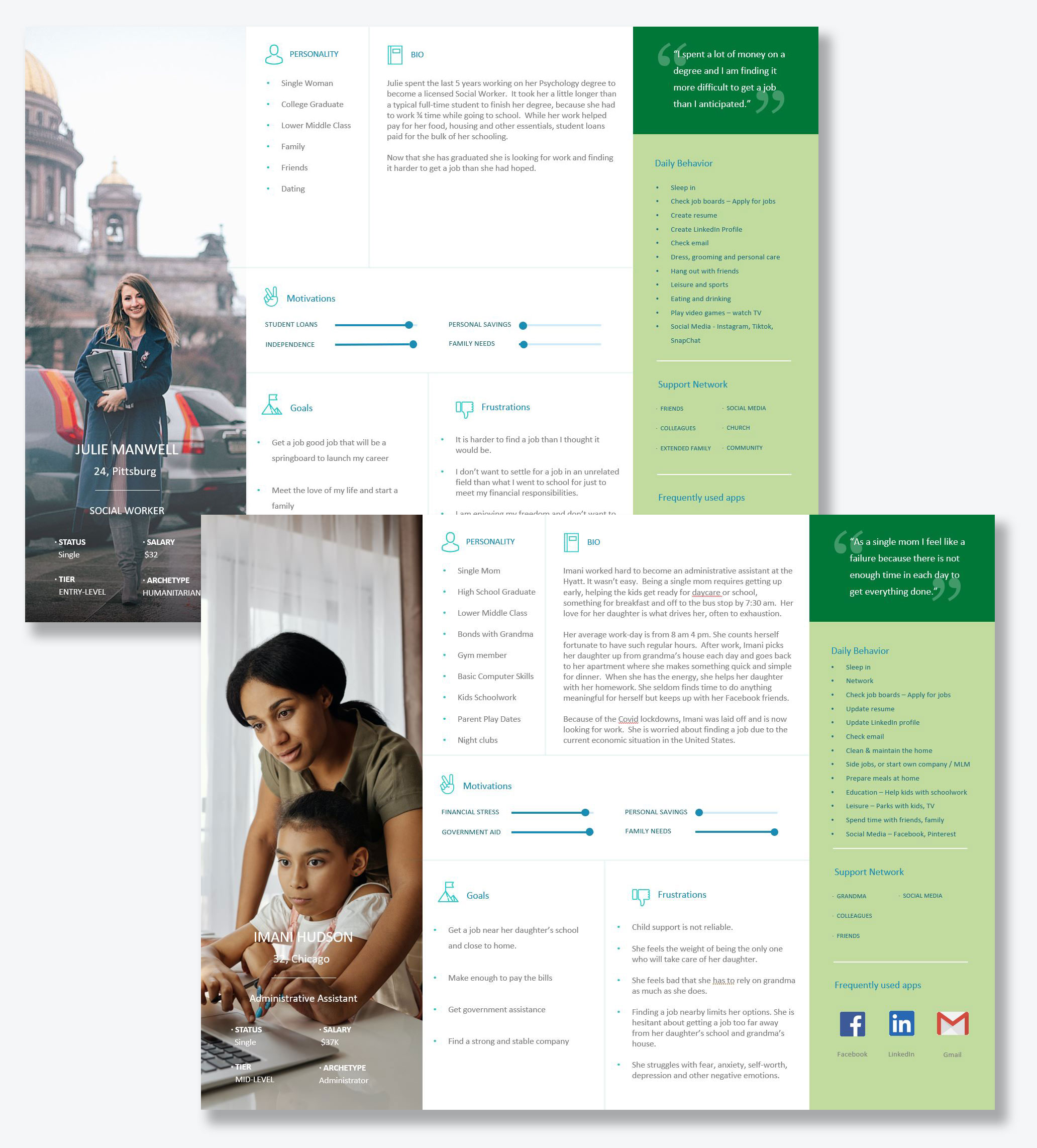
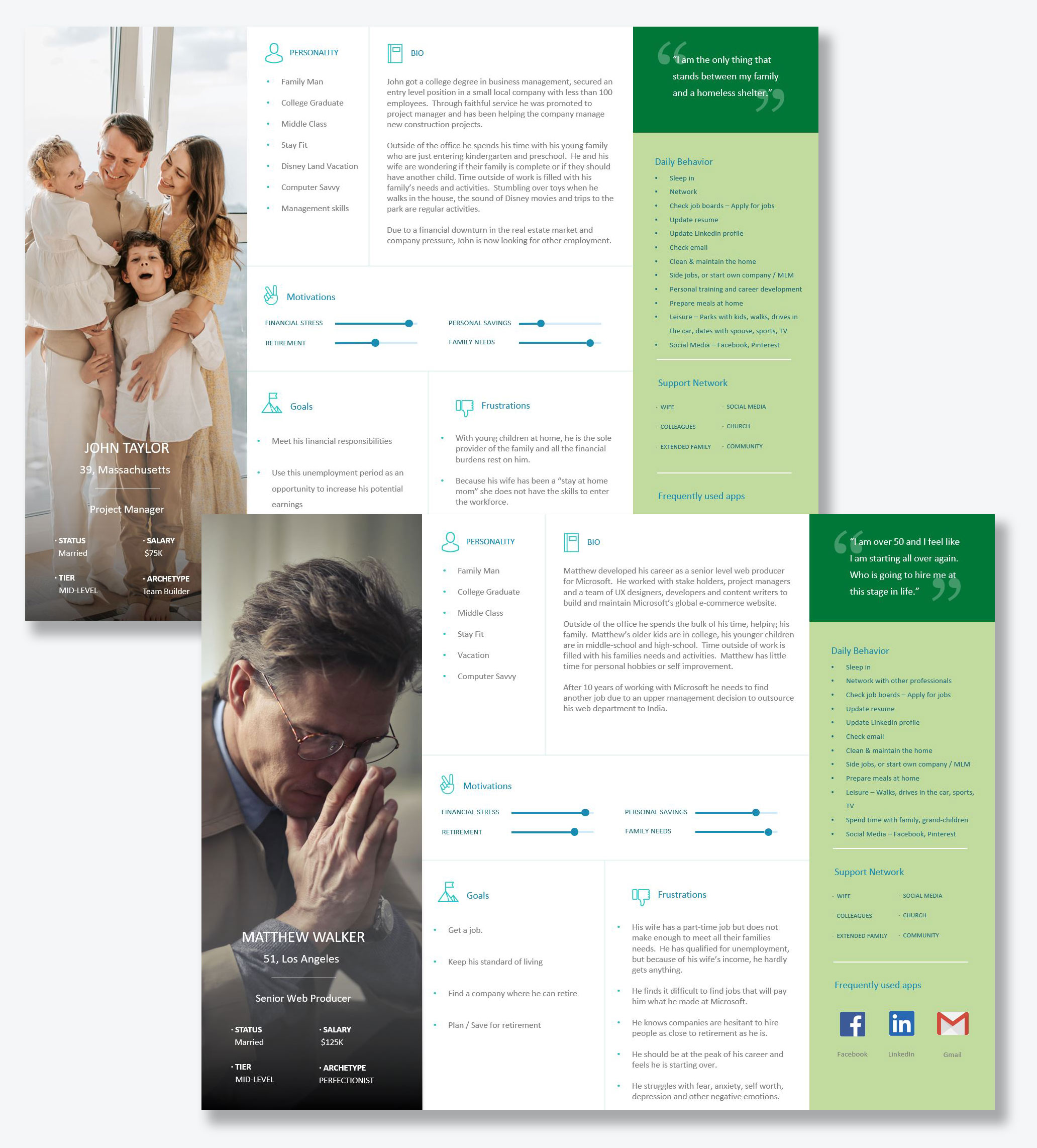
I created 4 personas to help me understand who I am designing for and what their beliefs, behaviors, and familiarities are so that I can design a product that captures the defined user audiences.
EMPATHY MAPS
Tools: Adobe Photoshop
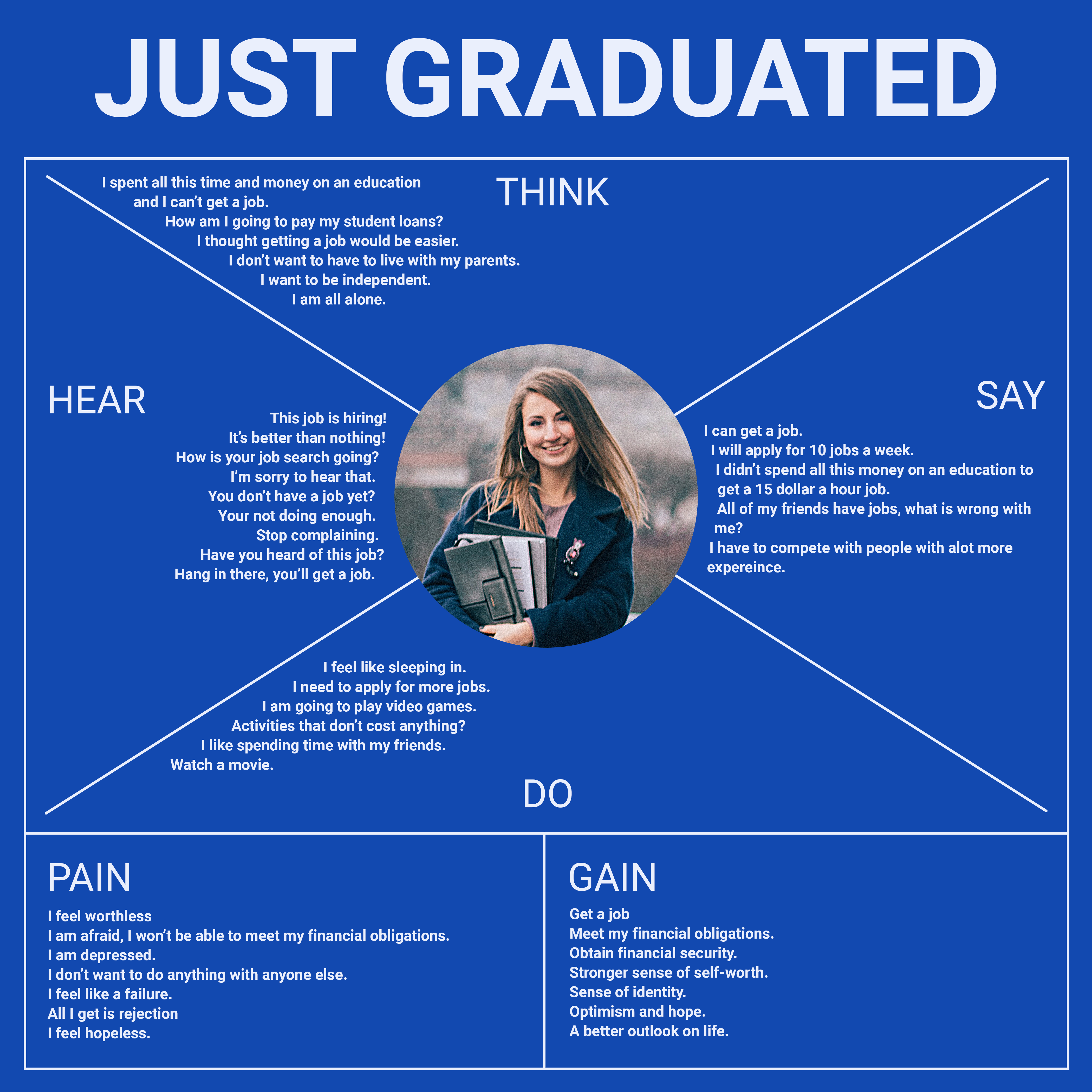
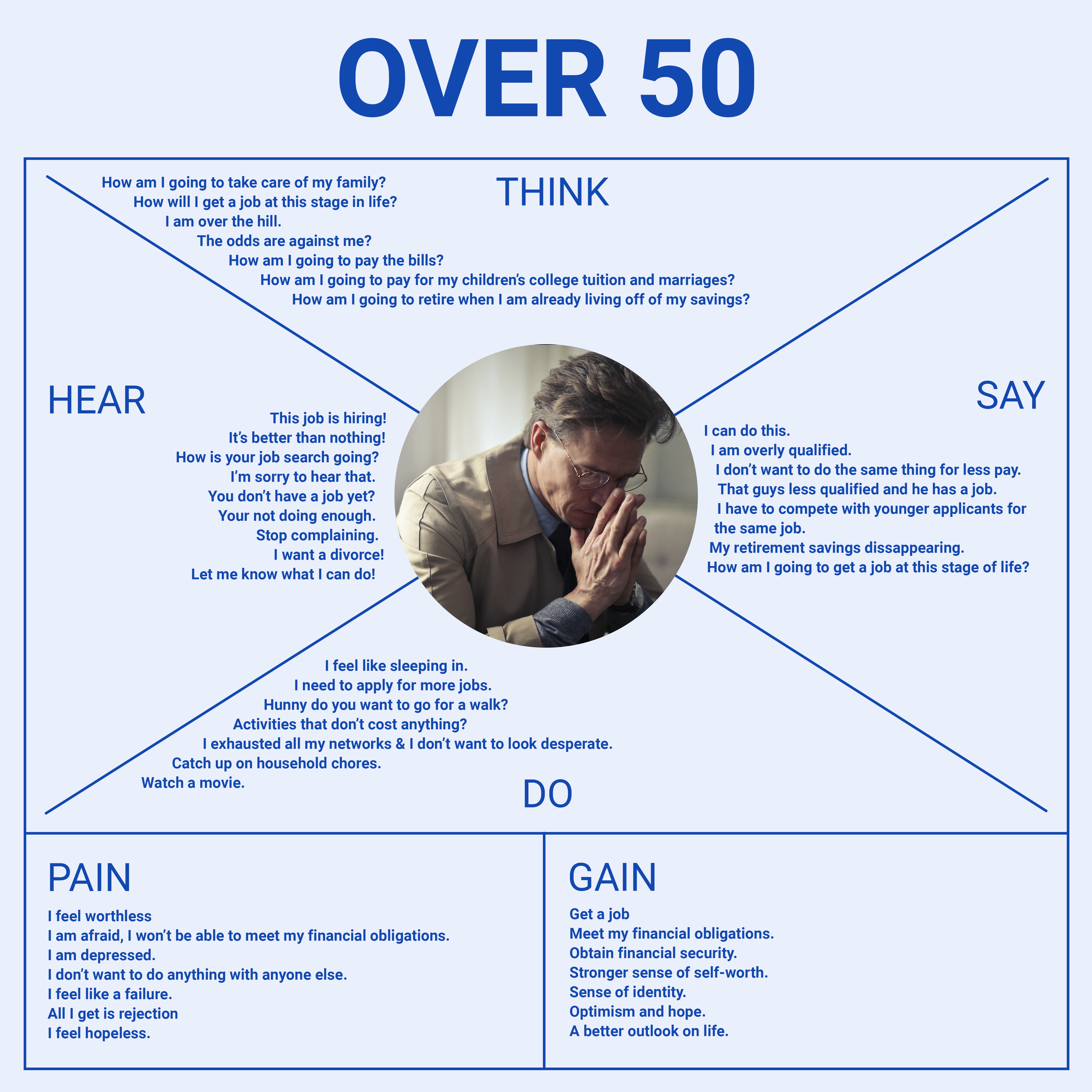
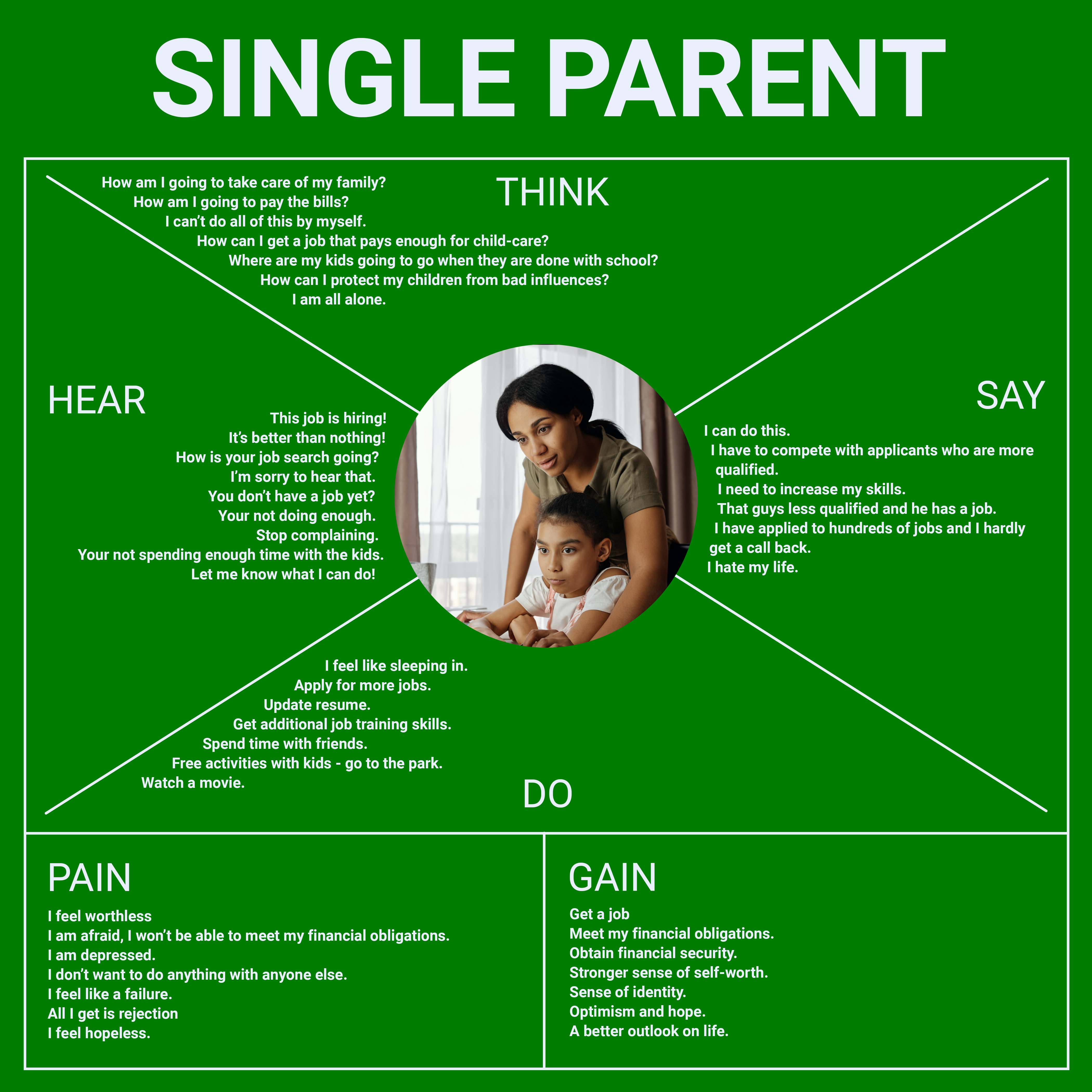
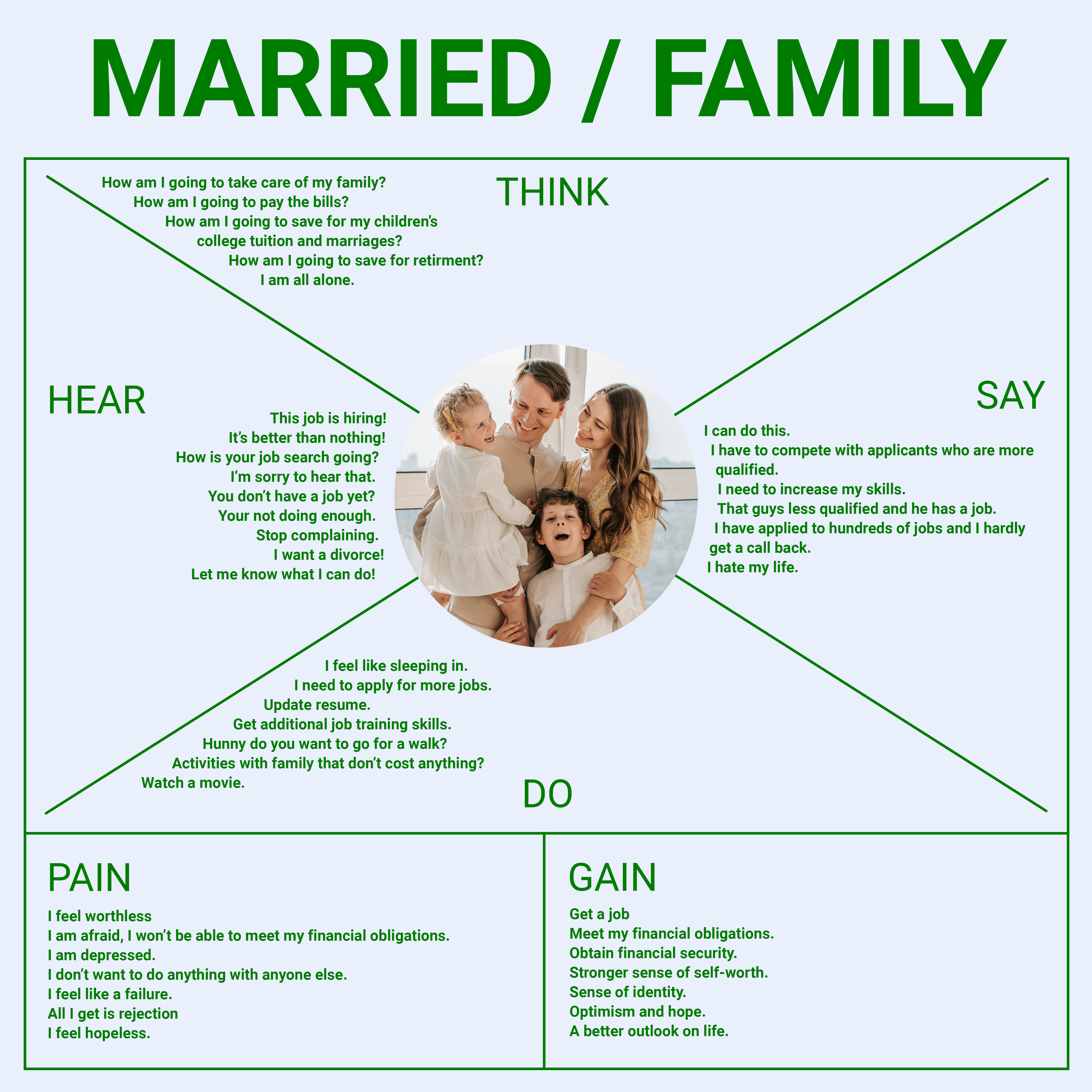
Now that I had a clear vision of the user, I created empathy maps to provide greater insights into how the personas would think and feel, what they would hear others say, what they would see in their daily lives, what they would say and do, their pain points and what they are trying to accomplish.
AFFINITY MAPS
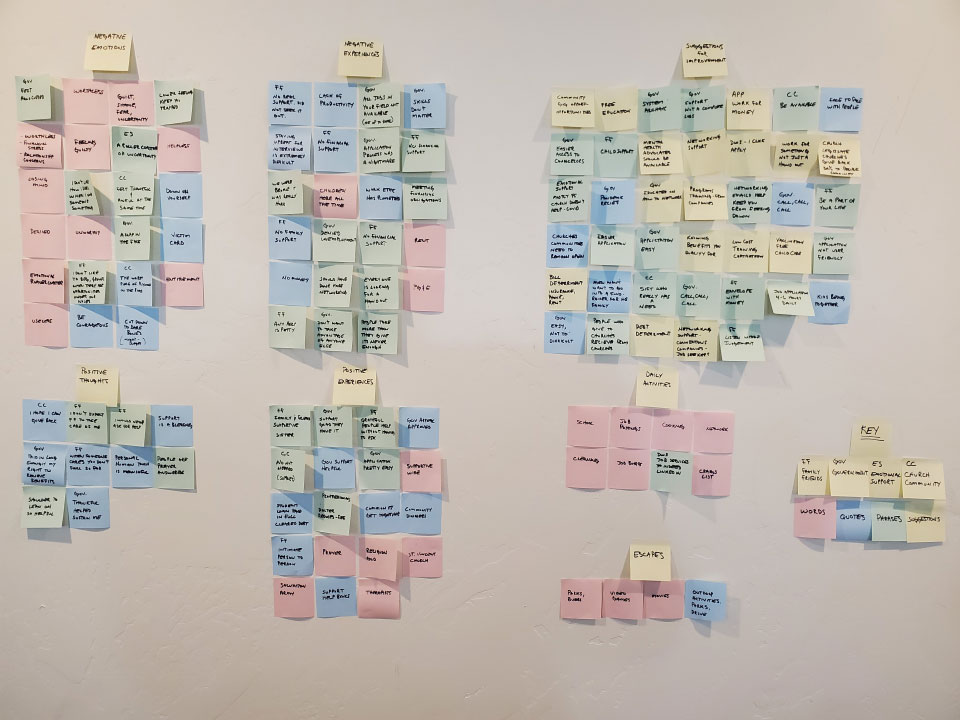
I wrote down the ideas and statements I gathered during interviews on post-it notes and conducted brainstorming sessions, after which I grouped all of the ideas into themes using affinity maps. This exercise helped me to organize the information and narrow down the body of data into themed problems.
Now I could see that the challenges of unemployment fall into 3 main categories: Financial, mental-emotional, and circumstantial.

USER STORIES
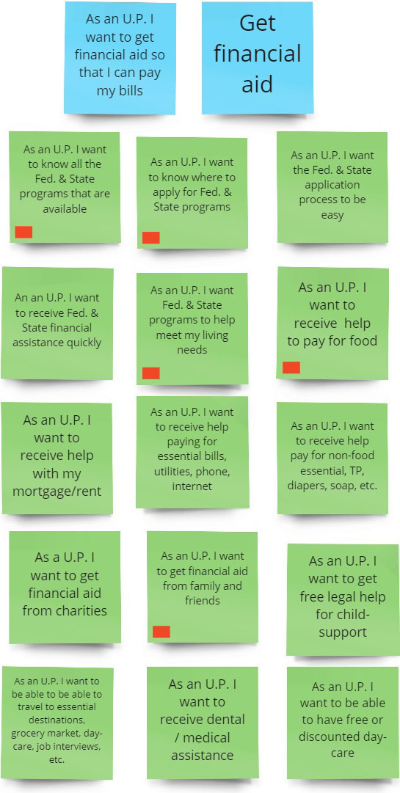
With the scope of the project narrowed down, I led a brainstorming session with 3 associates. Our task was to create user stories and further narrow down the design into a minimum viable product (MVP).
We created several short user stories to define better and prioritize what our users need and why they need our product.
Epic Story
“As an unemployed person, I want to get financial aid so I can pay the bills.”
USER FLOWS
Tools: Miro
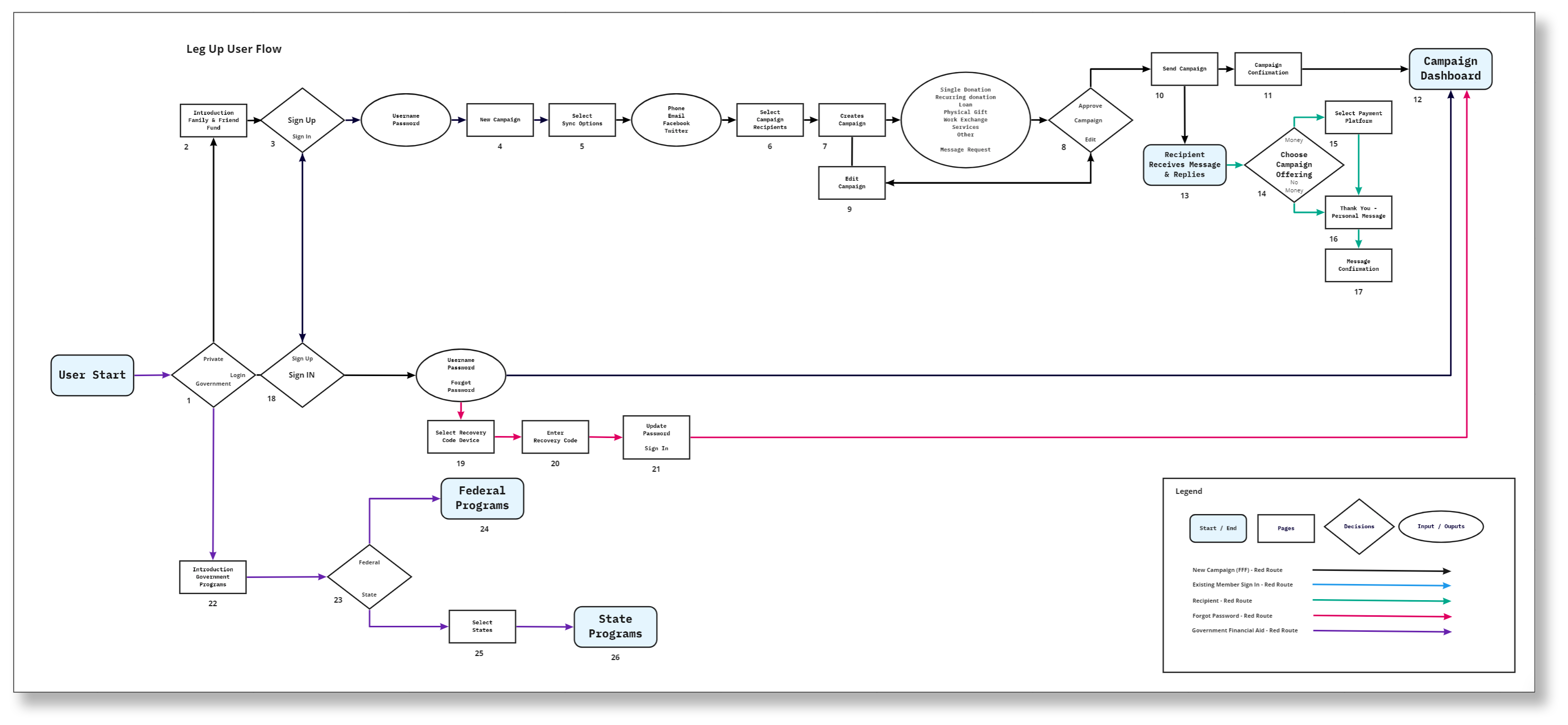

The scope of the project was beginning to come into focus. I mapped out a user flow to determine the best way to design the user experience.
SKETCHES & GUERILLA TESTING
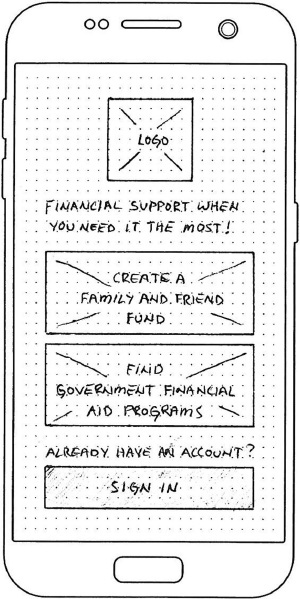
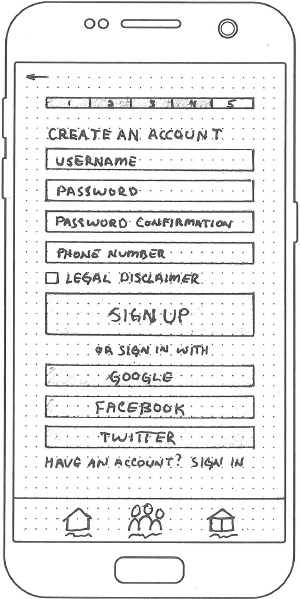
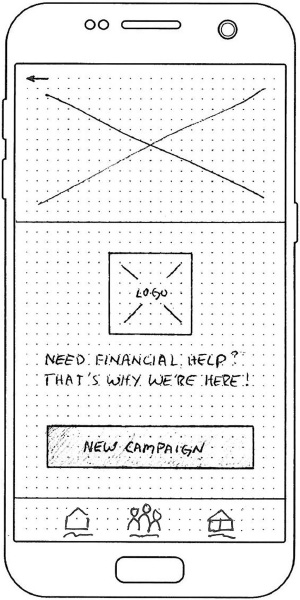
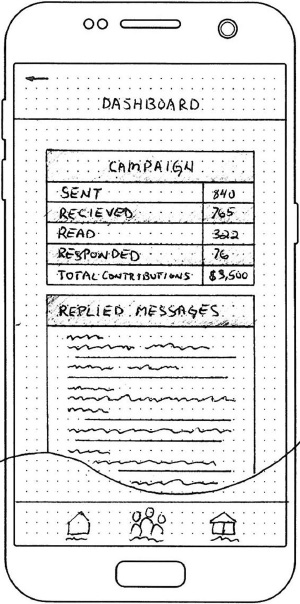
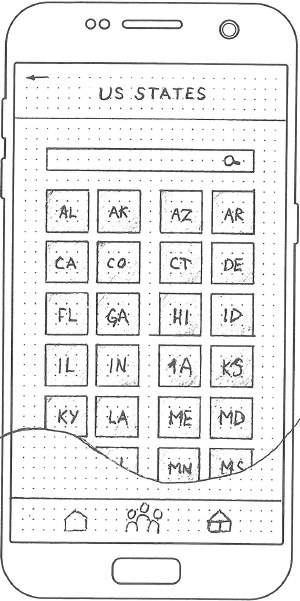
From the information, we gathered, organized, and condensed, and with the guidance of our user flow, I sketched out 26 renditions which helped me get an idea of what the Leg UP app would look like.
Once the screens were sketched, I created an interactive prototype using InVision and performed guerilla tests with 5 participants. I observed them and took notes to identify areas of confusion and after each session, we discussed how improvements could be made. The following screenshots are a sampling of the 26 renditions I created:

BRAND LOGO

Tools: Adobe Illustrator, Photoshop
I chose the name and designed the brand logo. The brand name is “Leg Up”. I chose this name because it means an act of helping someone or something to improve their position. Conveying a message in a simple design is a fundamental attribute for all sustainable brands. At a glance, a user can understand that Leg Up is about helping others.
The color blue is attributed to trustworthiness but is also associated with depression. Thus the hand being helped is depressed, yet trusting in the helping hand. The color green is symbolic of health, vitality, life, and wealth. Thus the helping hand is green, while the hand being helped is blue. The overall feeling conveys an upward movement, not only in the positioning of the hands but the stylized arrows in the logo and reinforced in the “U” of Leg Up.

WIREFLOWS
Tools: Adobe XD
I created semi-low fidelity wireframes to propose new product design changes and layouts. Wireframes helped me better assess what functionalities, layouts, and components were working and what wasn’t based on the feedback we obtained through guerilla testing.

MOOD BOARD
Tools: Milanote
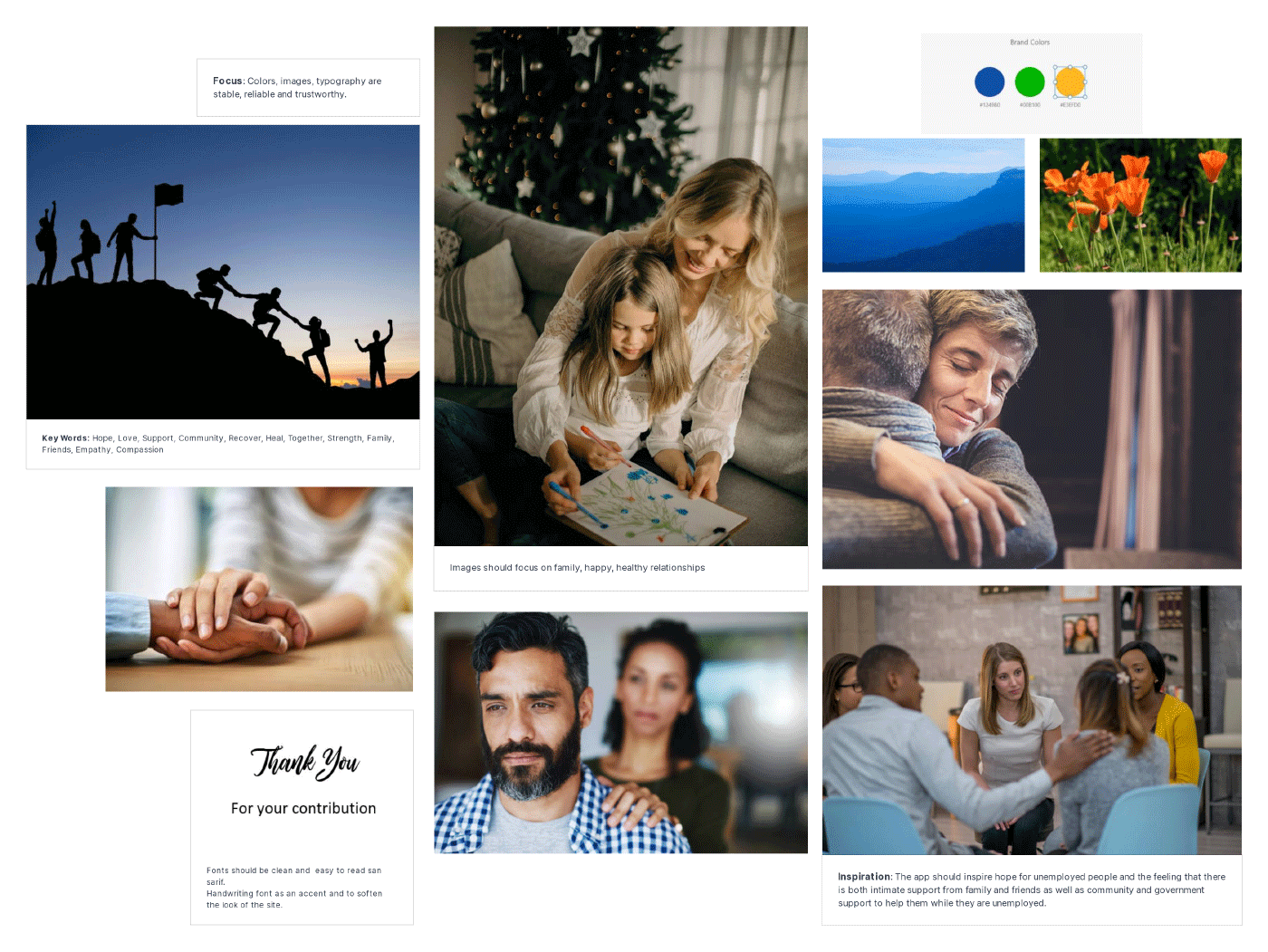
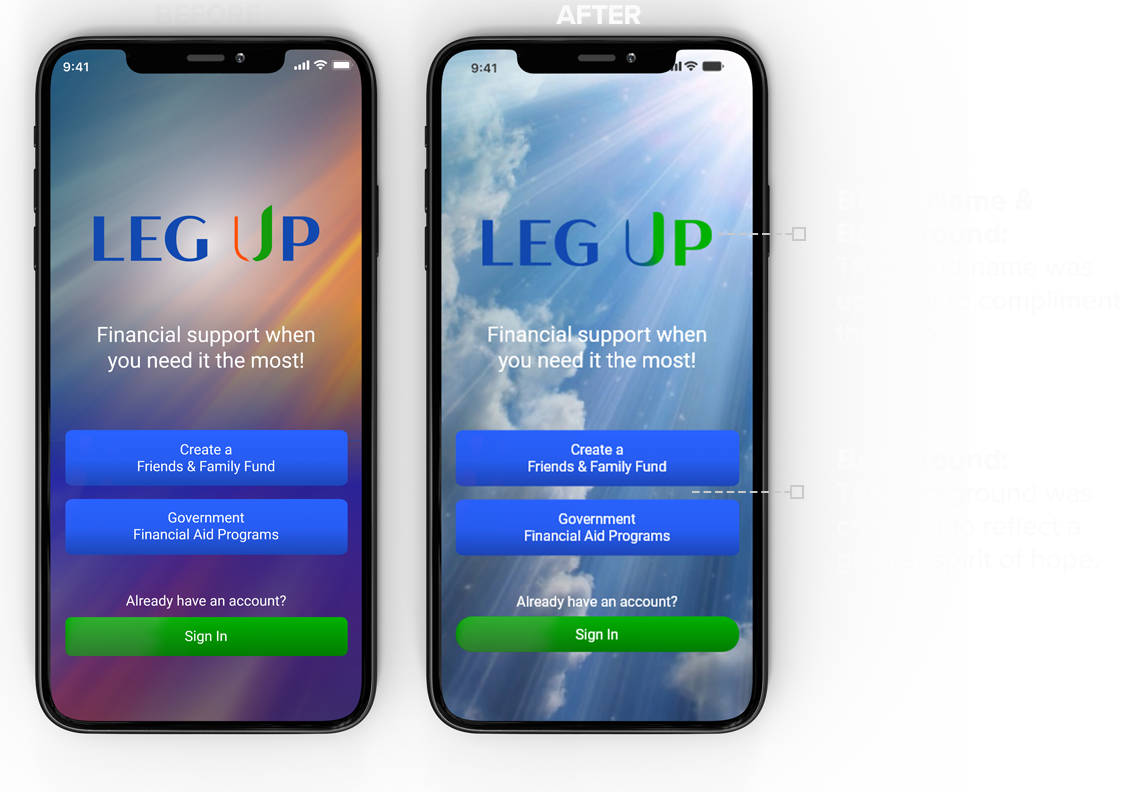
Before we began creating high-fidelity mockups, I designed a mood board to demonstrate the general look and feel of the Leg UP app. Because the app is about helping unemployed people obtain financial support, the app needed to convey a message of hope, love, and stability.
We decided that the app should “inspire hope for unemployed people, and create a feeling that there is both intimate support from family and friends, as well as community and government to help them while they are unemployed.”
STYLE GUIDE
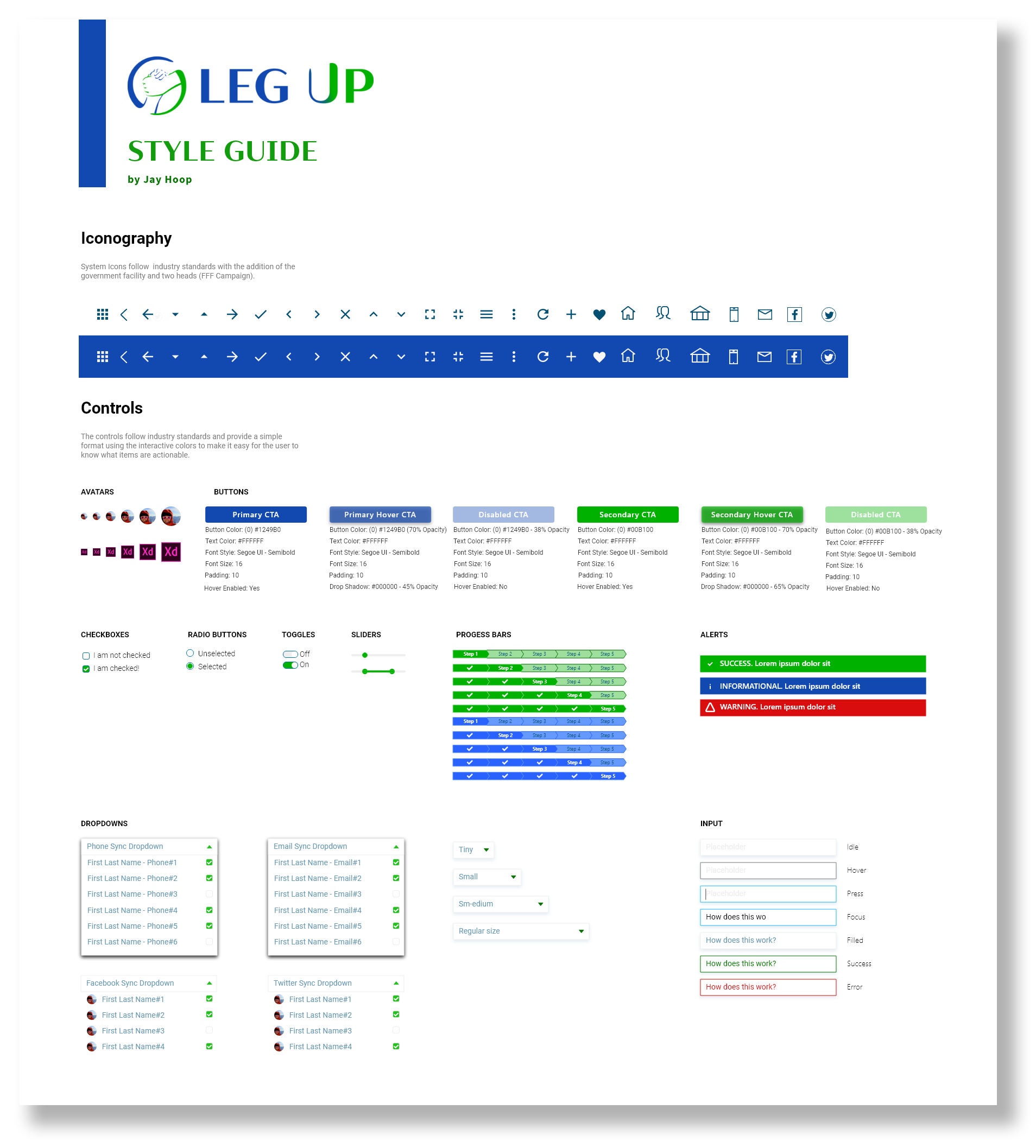
Tools: Adobe XD, Photoshop
Branding
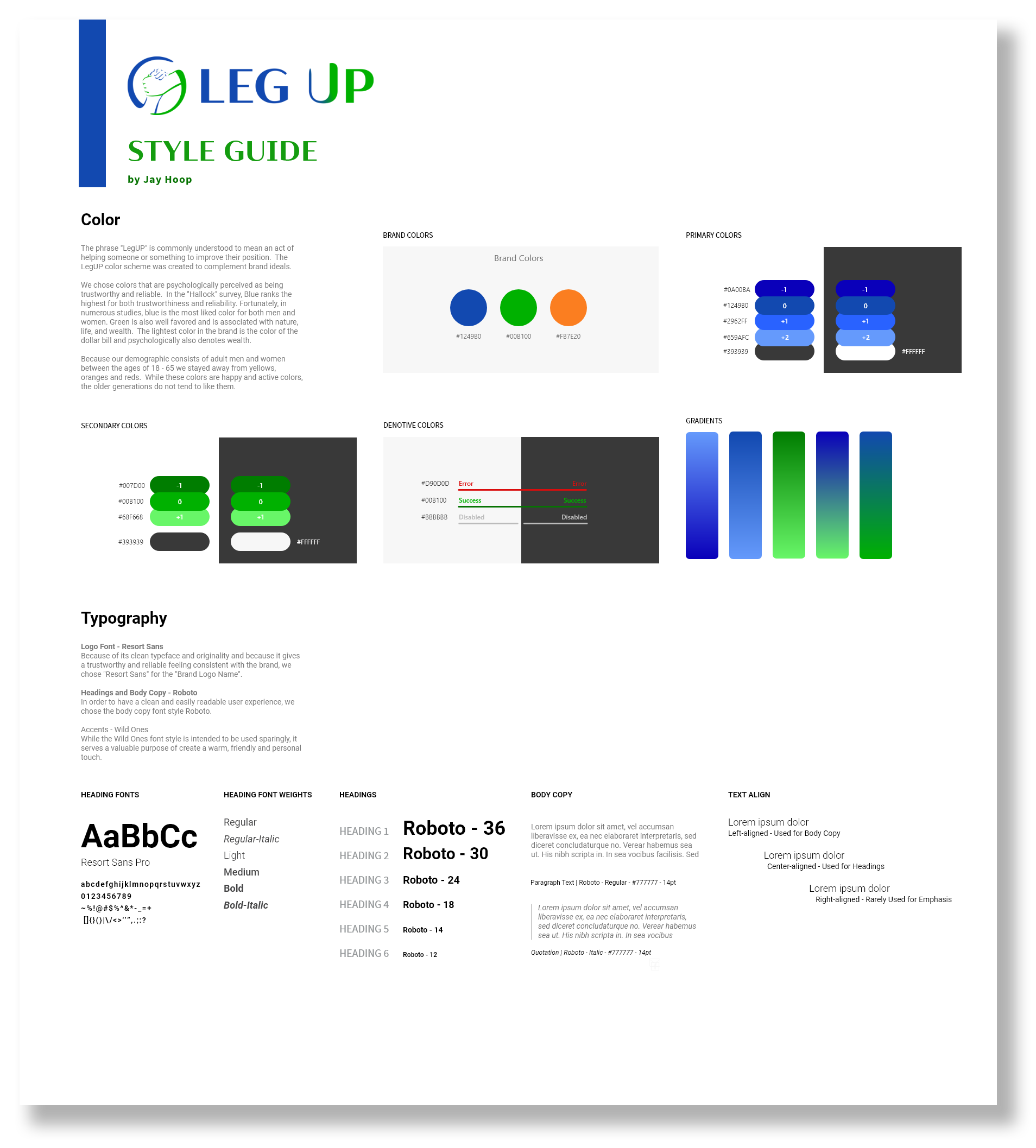
Branding was essential as it helps create an environment of trust, familiarity, and recognition.
Consistency
Consistency was another vital aspect of ensuring that all assets, colors, logos, and icons are consistent to bring a delightful experience to users.
Colors
I chose the primary, secondary, and accent colors to be consistent with brand colors, and because they are favored in psychological perceptions. The “Hallock” survey ranked blue as being perceived as the most trustworthy and reliable color. Furthermore, multiple studies among adults show blue is the most liked color for both men and women. Green is also a well-favored color.
Typography
I chose the Roboto font-family because it is clean, easy to read, and widely used. Because of these qualities, the Roboto font is perceived as trustworthy and reliable.
Controls
I created the button states using Google material design standards.
FEATURES & CHARACTERISTICS
Tools: Adobe Photoshop
Tools: Adobe Photoshop
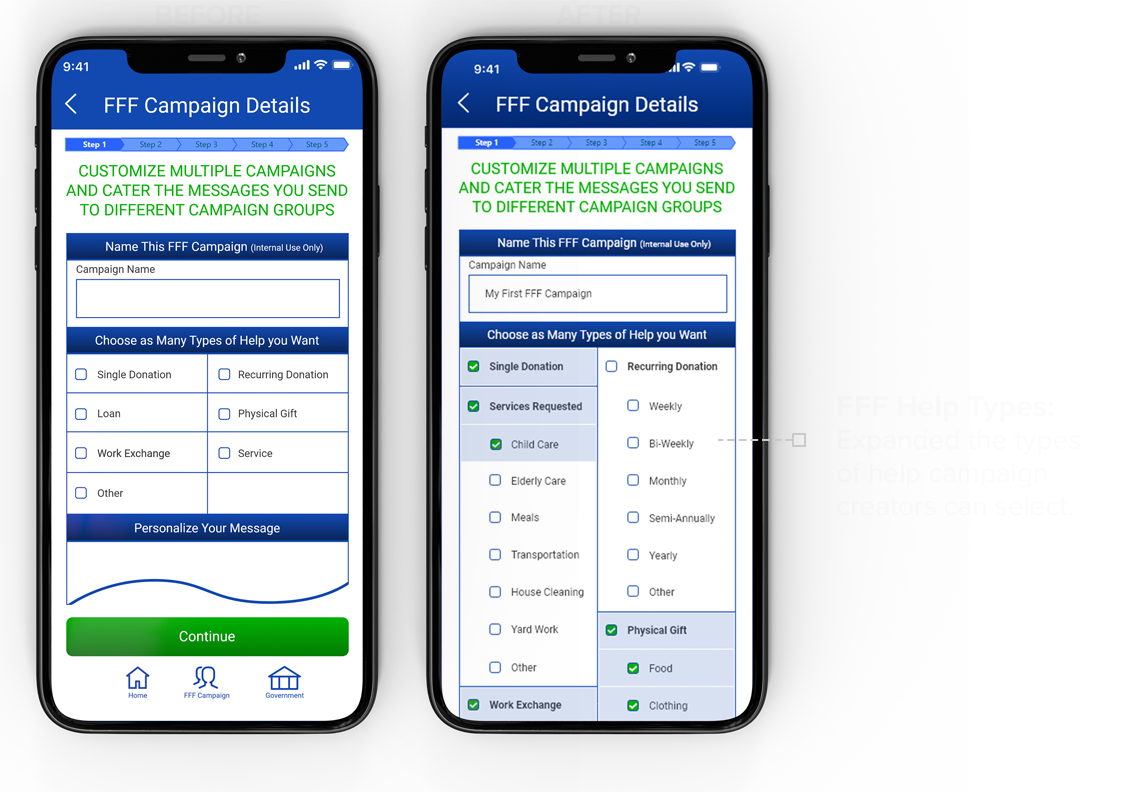
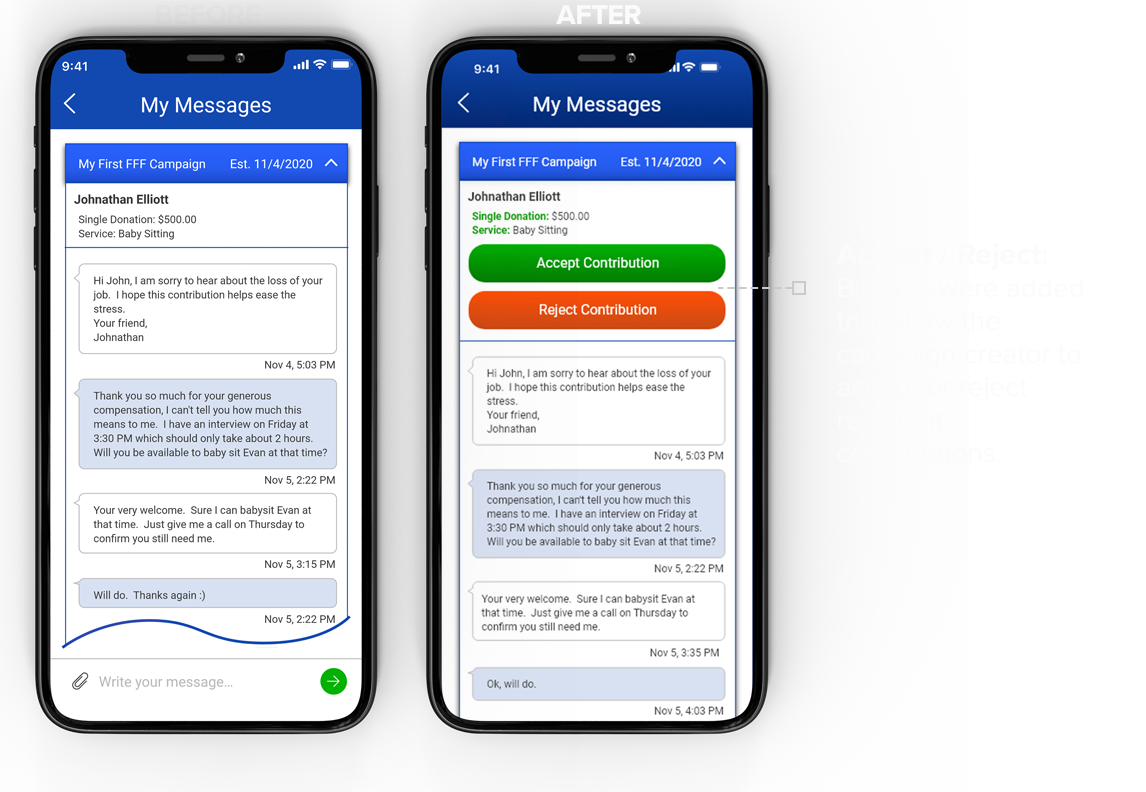
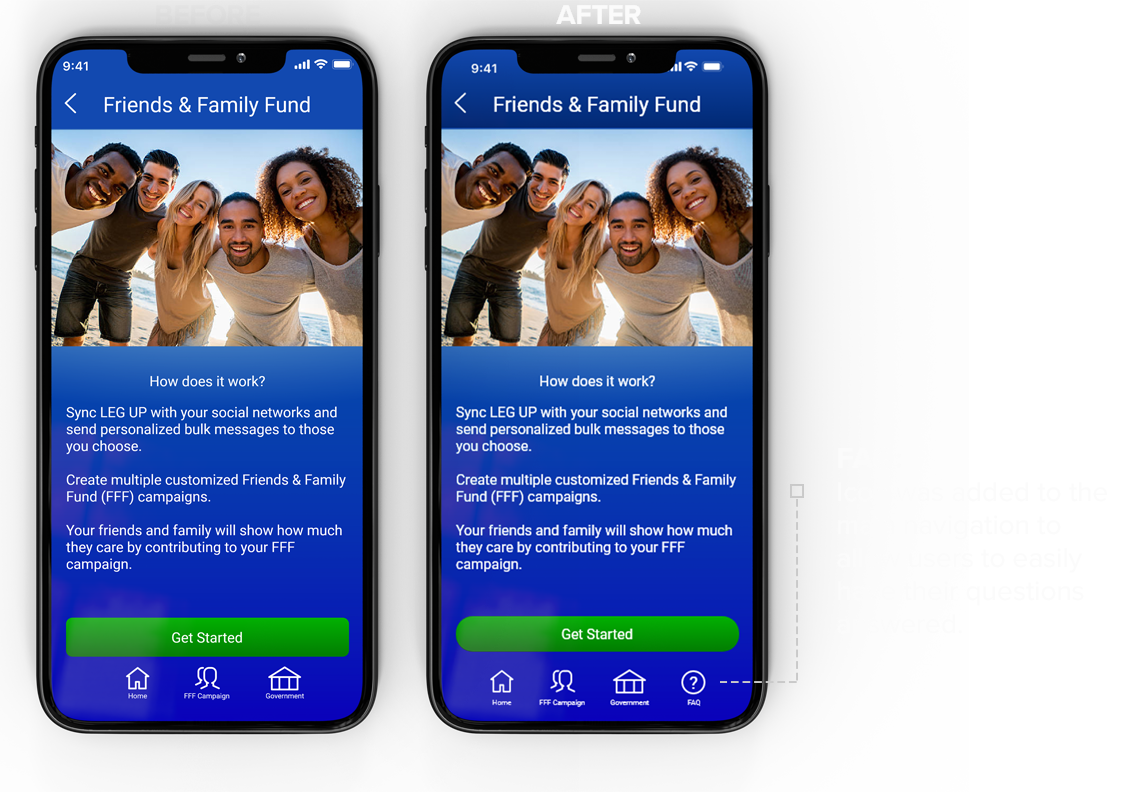
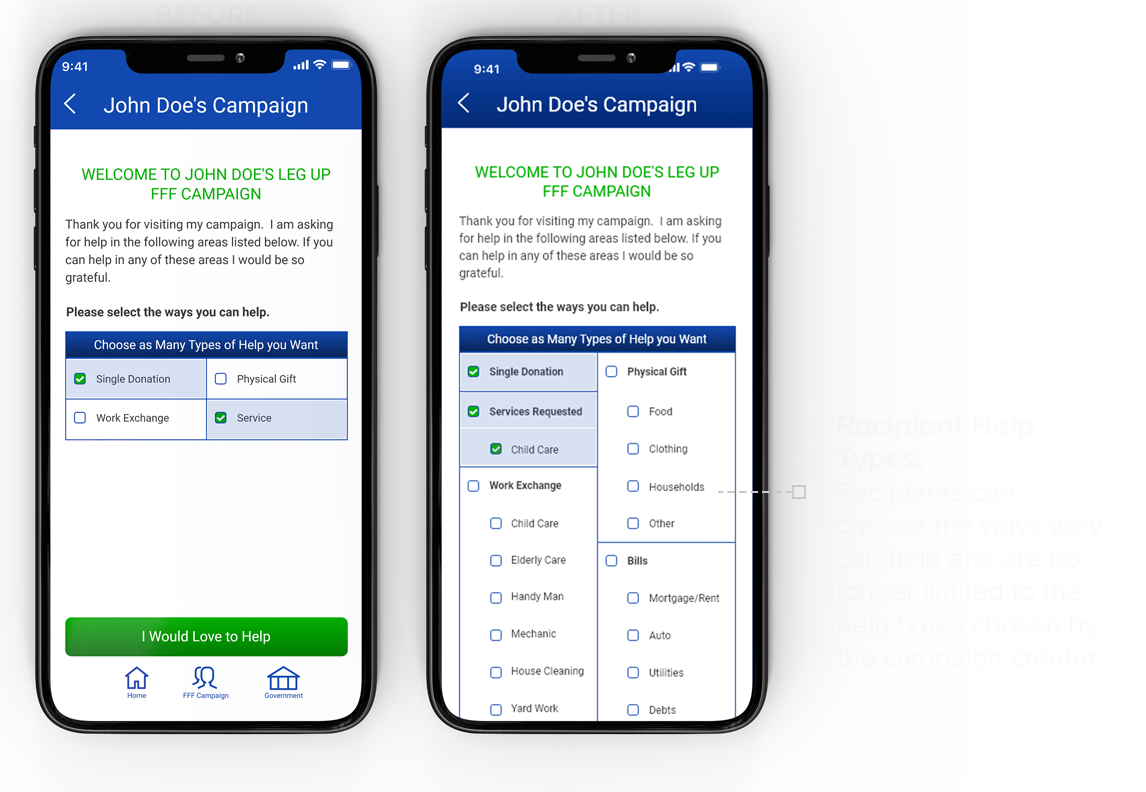
BEFORE & AFTER
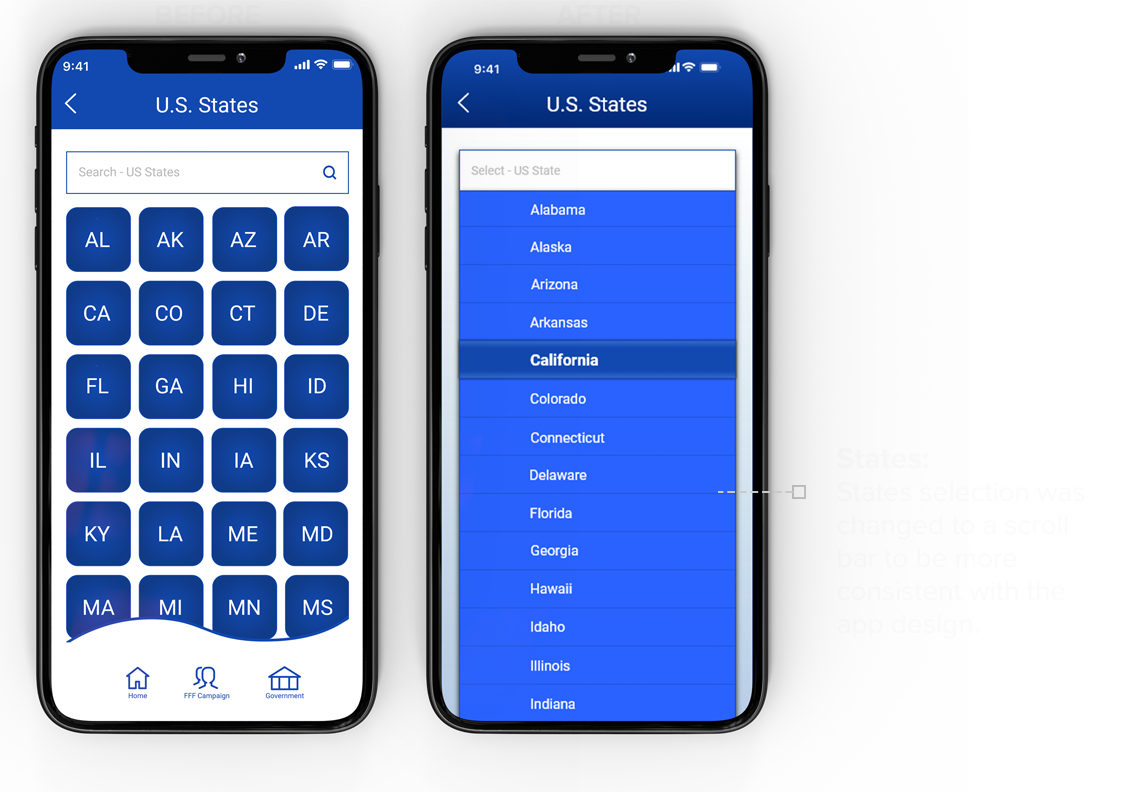
DESIGN INSIGHTS & CHALLENGES
Tools: InVision, Adobe Photoshop
The app needs to “inspire hope for unemployed people, and create a feeling that there is both intimate support from family and friends, as well as community and government to help them while they are unemployed”.
Based on the style guide, I further developed the design to a high-fidelity prototype, showcasing what the product would look like and how it would function. From there I developed an interactive prototype using InVision and conducted two rounds of usability testing sessions with 10 participants. Here is what I hoped to accomplish:
- Get an in-depth understanding of how users interact with the new design changes
- Identify any obstacles they faced as well as positive or negative experiences they had with the product.
I observed the participants as they navigated through the prototype and they provided valuable user feedback for the next stage of iterations.
Check out the Leg UP InVision prototype.
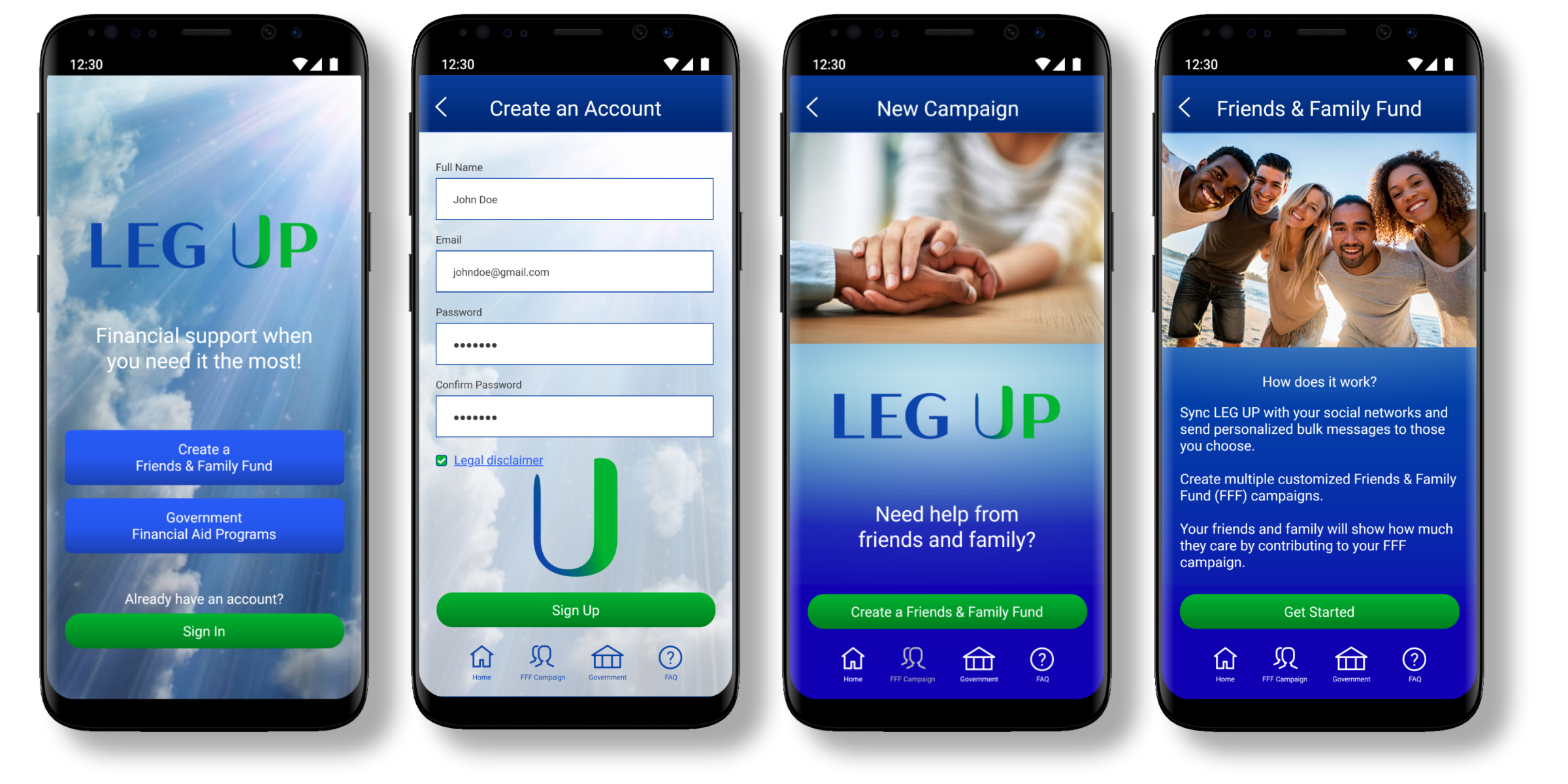
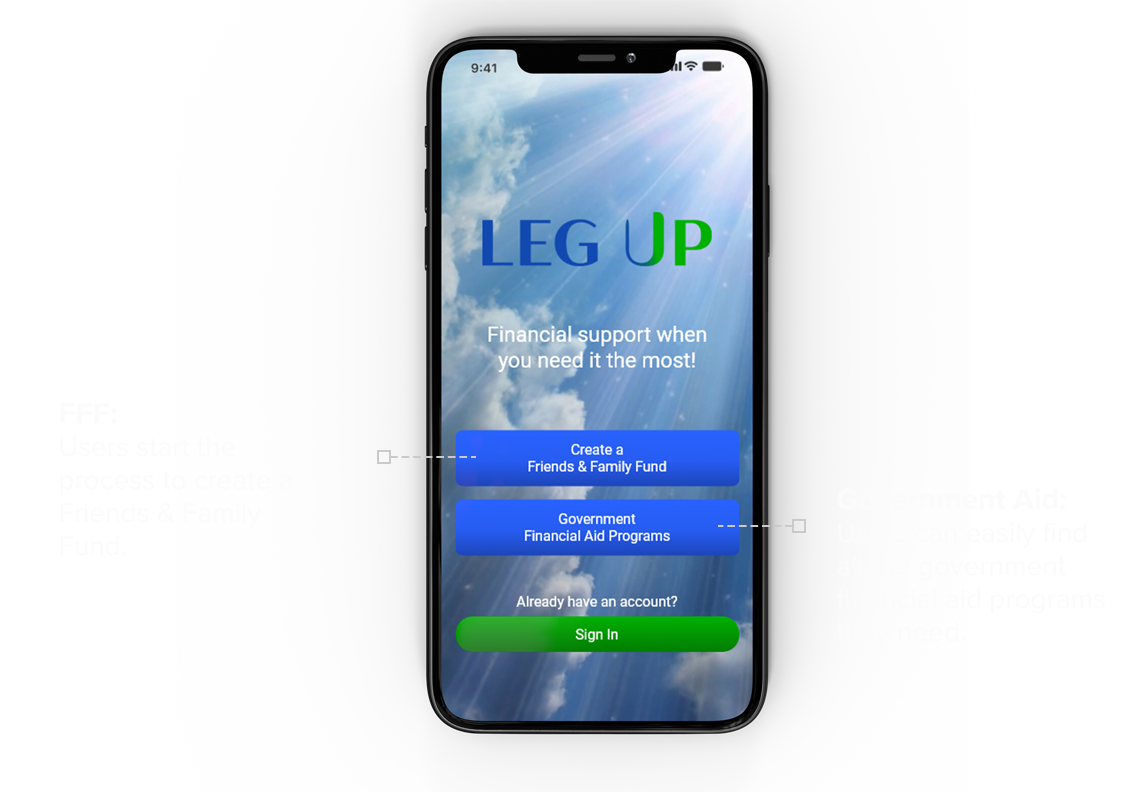
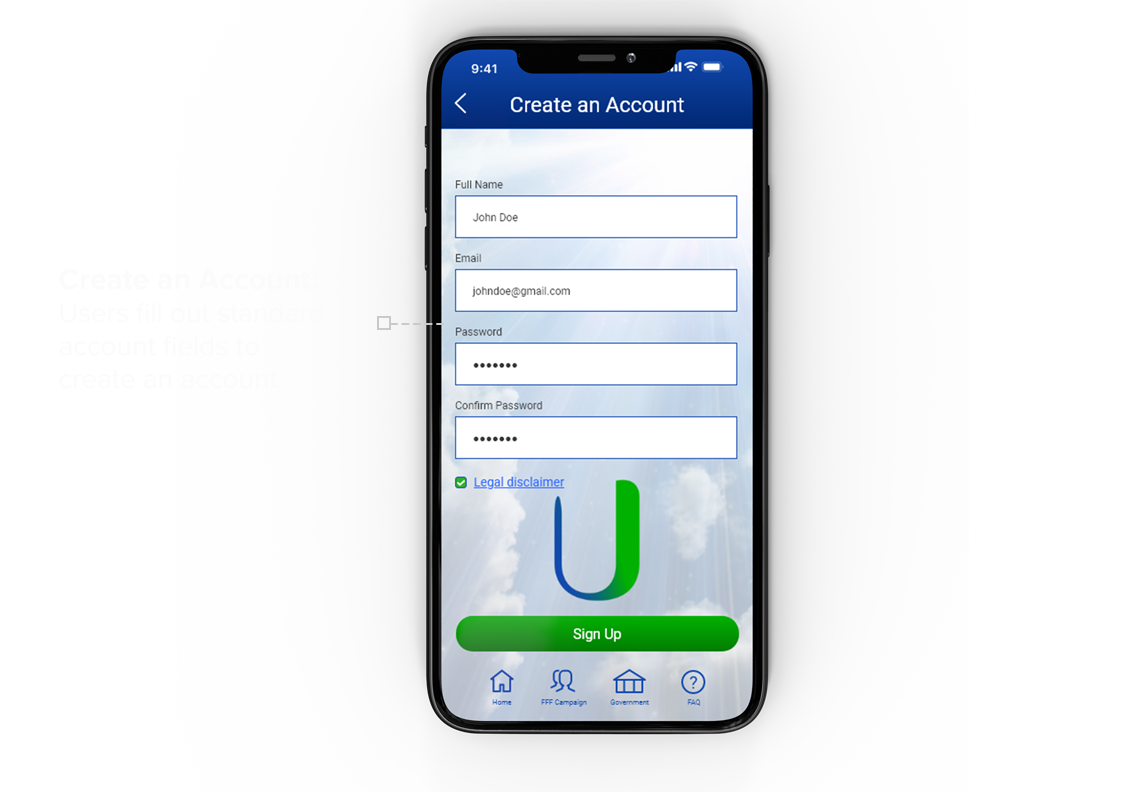
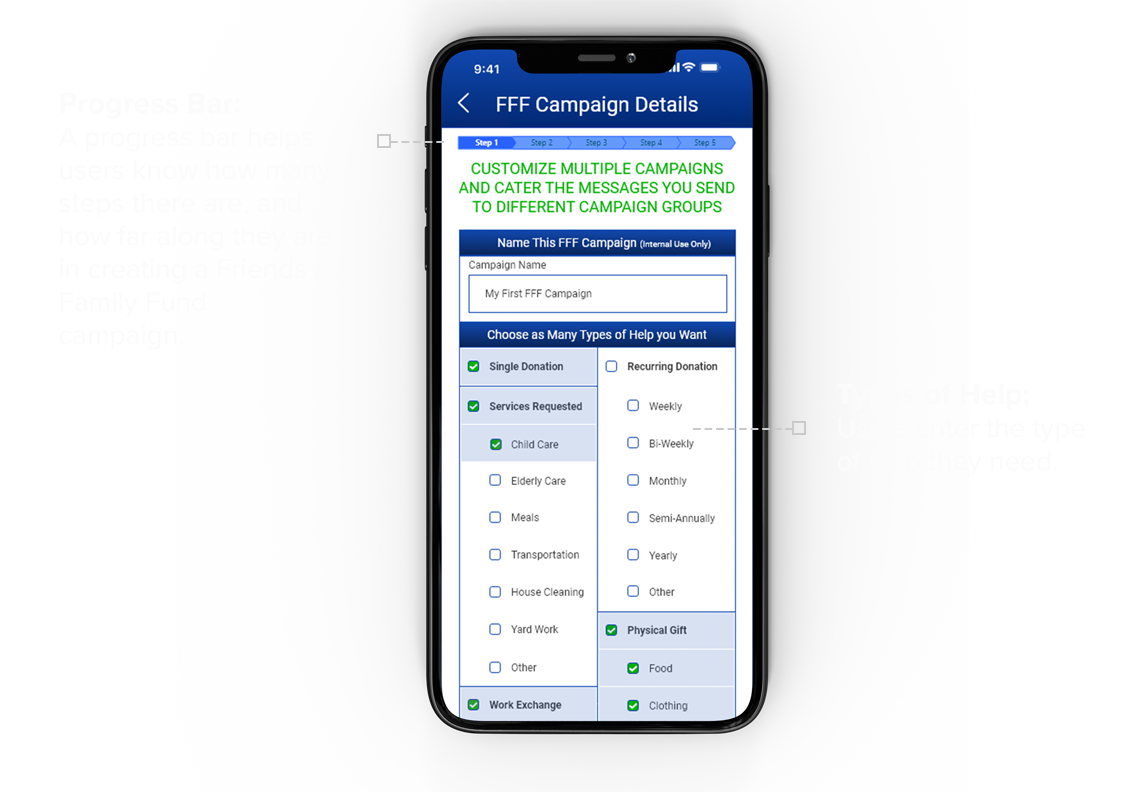
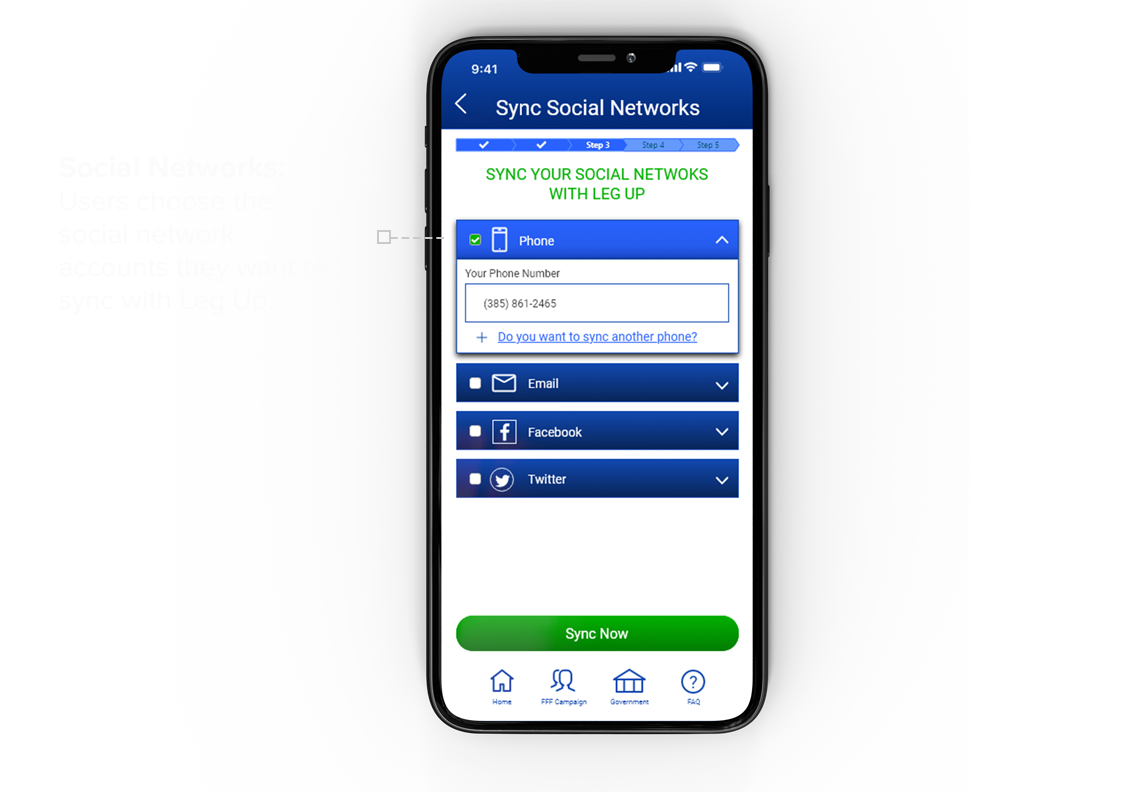
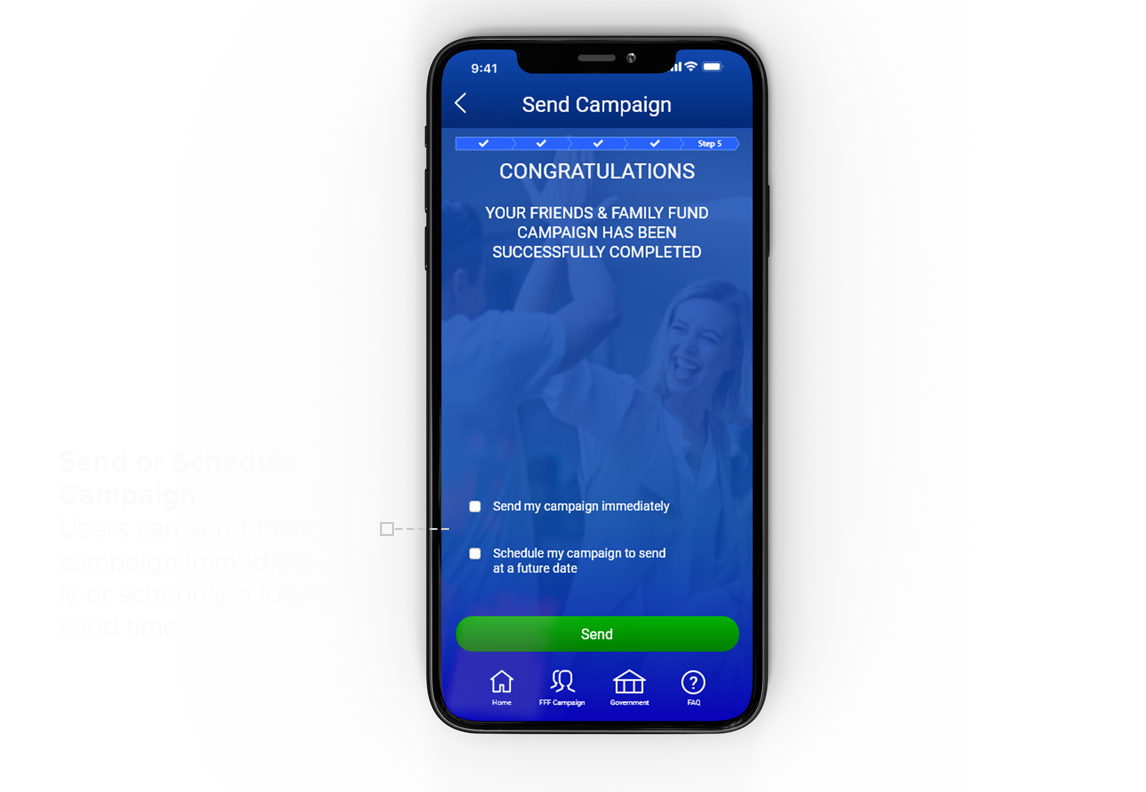
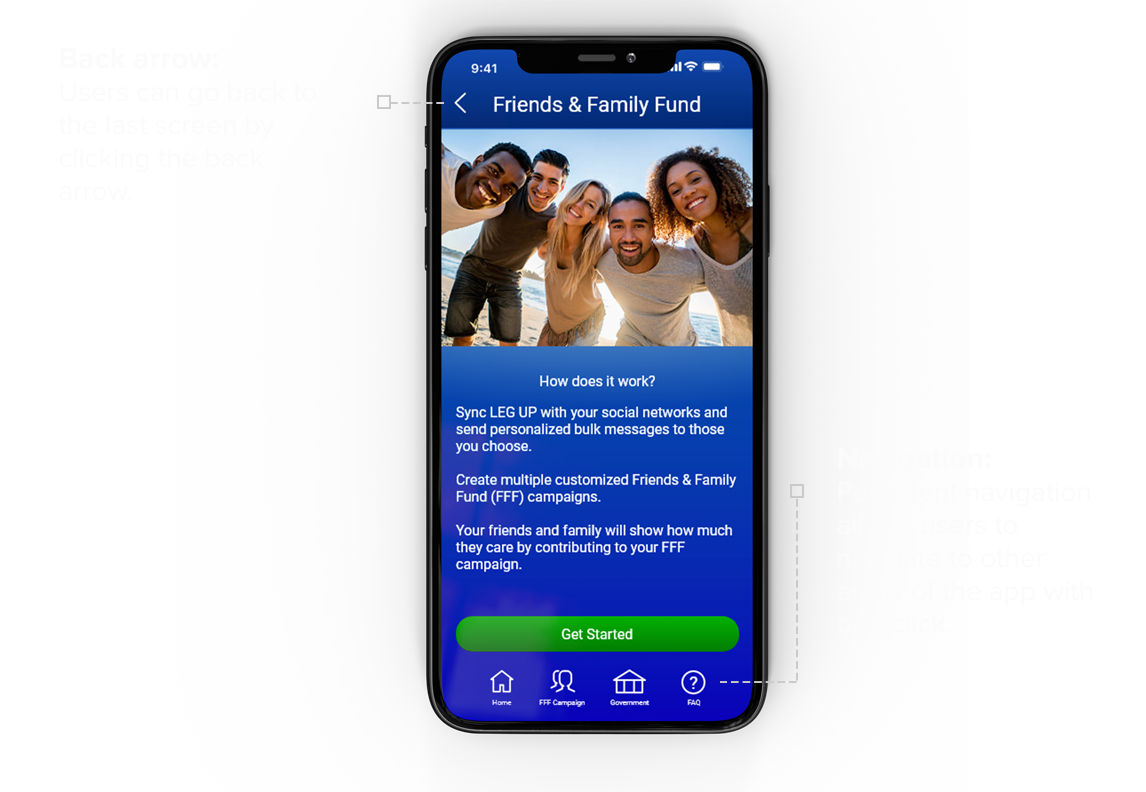
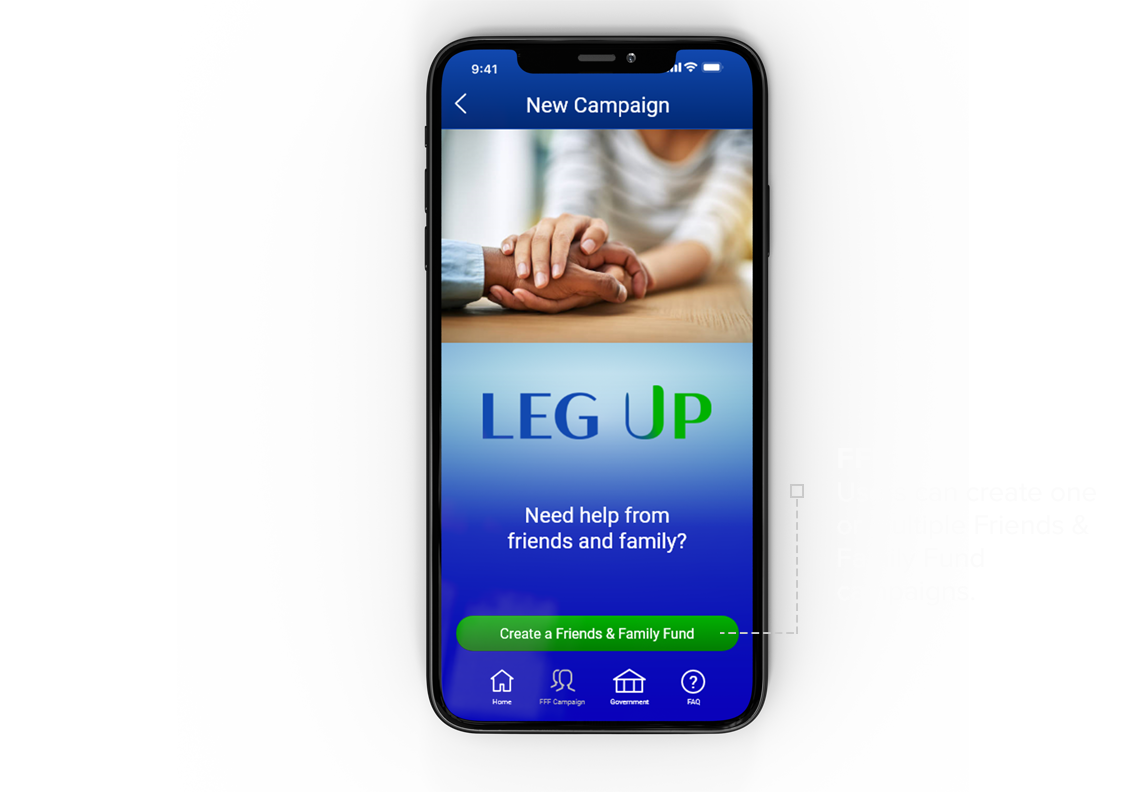
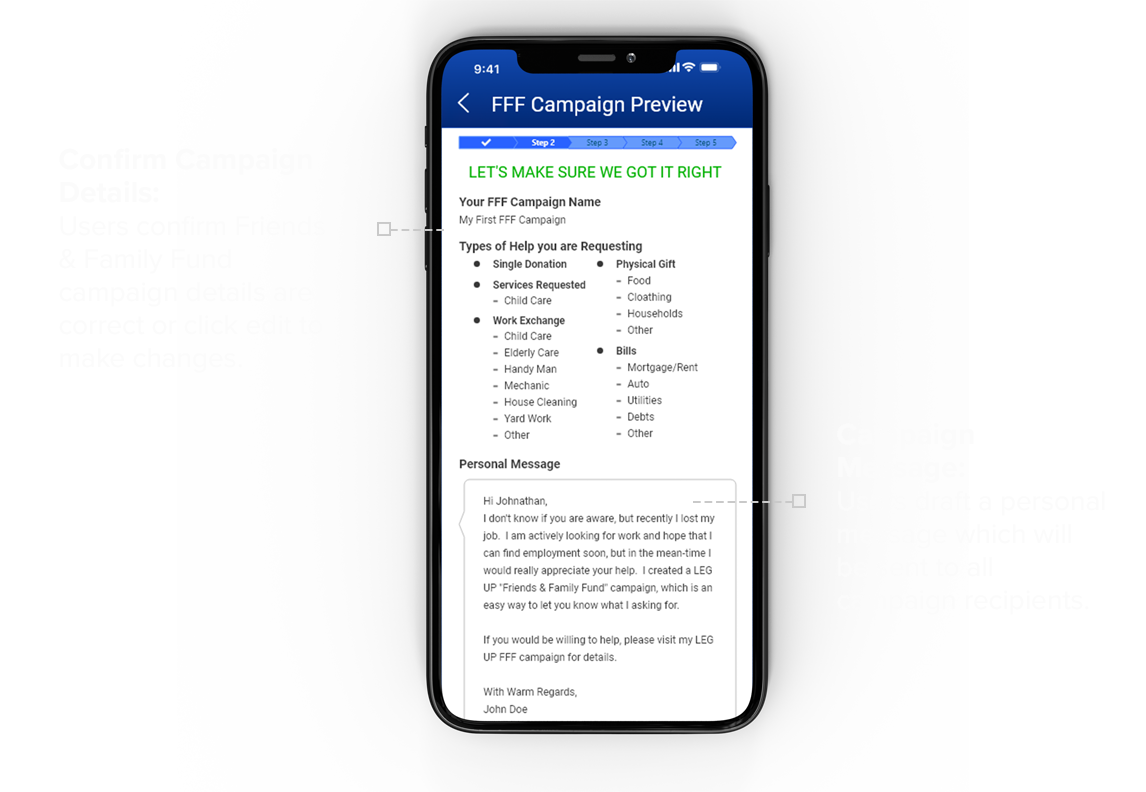
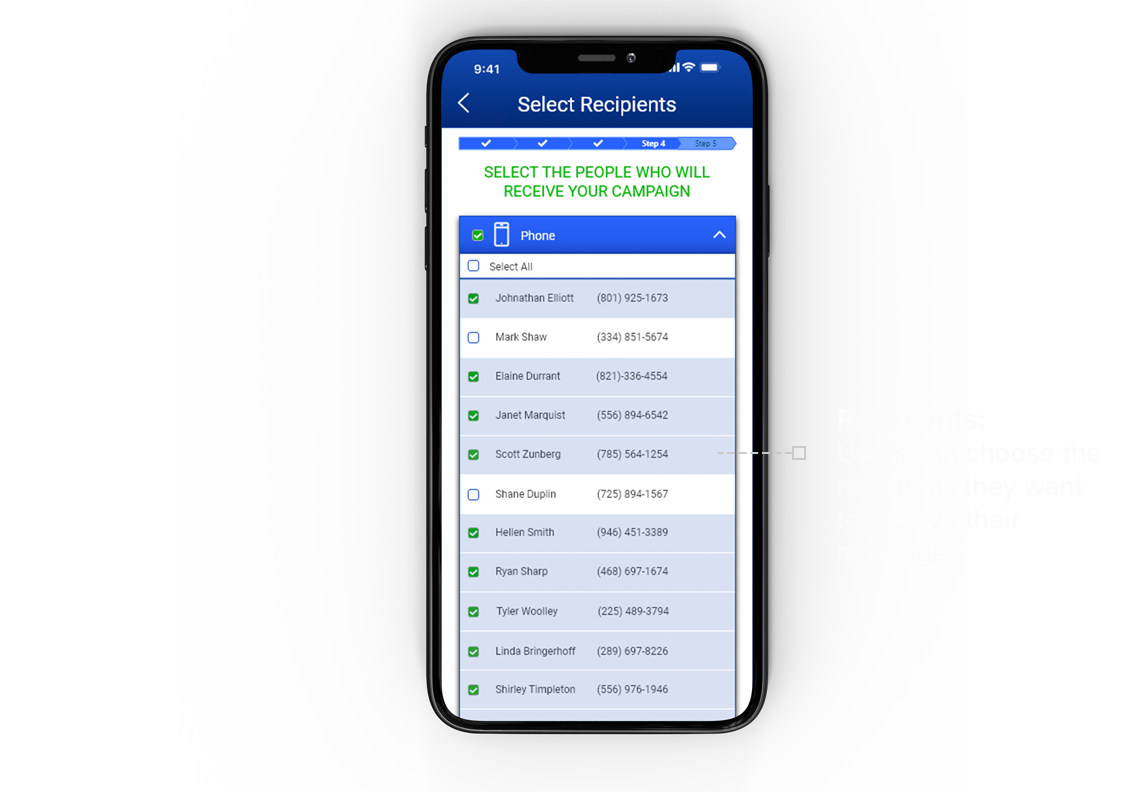
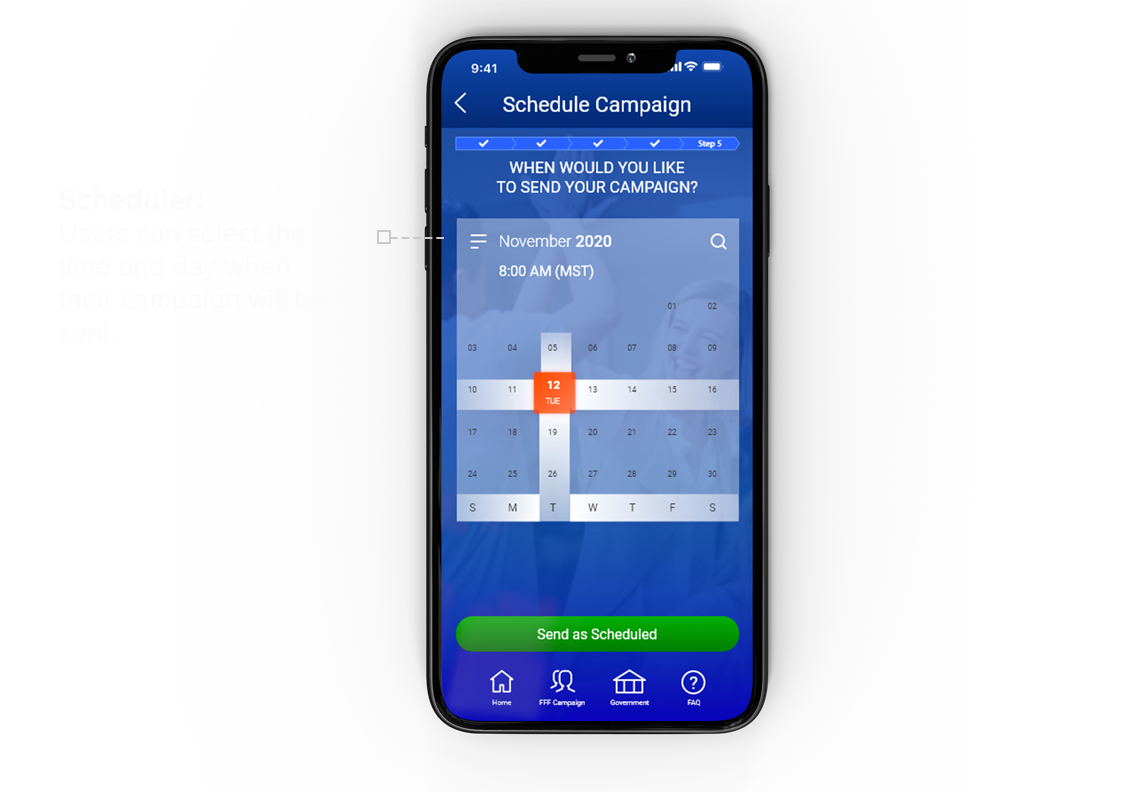
To create a “Friends and Family Fund” (FFF) the user is taken through a journey beginning with the home screen, signing up, and creating a new FFF campaign. Once completed, the user can see the status of a campaign in the dashboard.
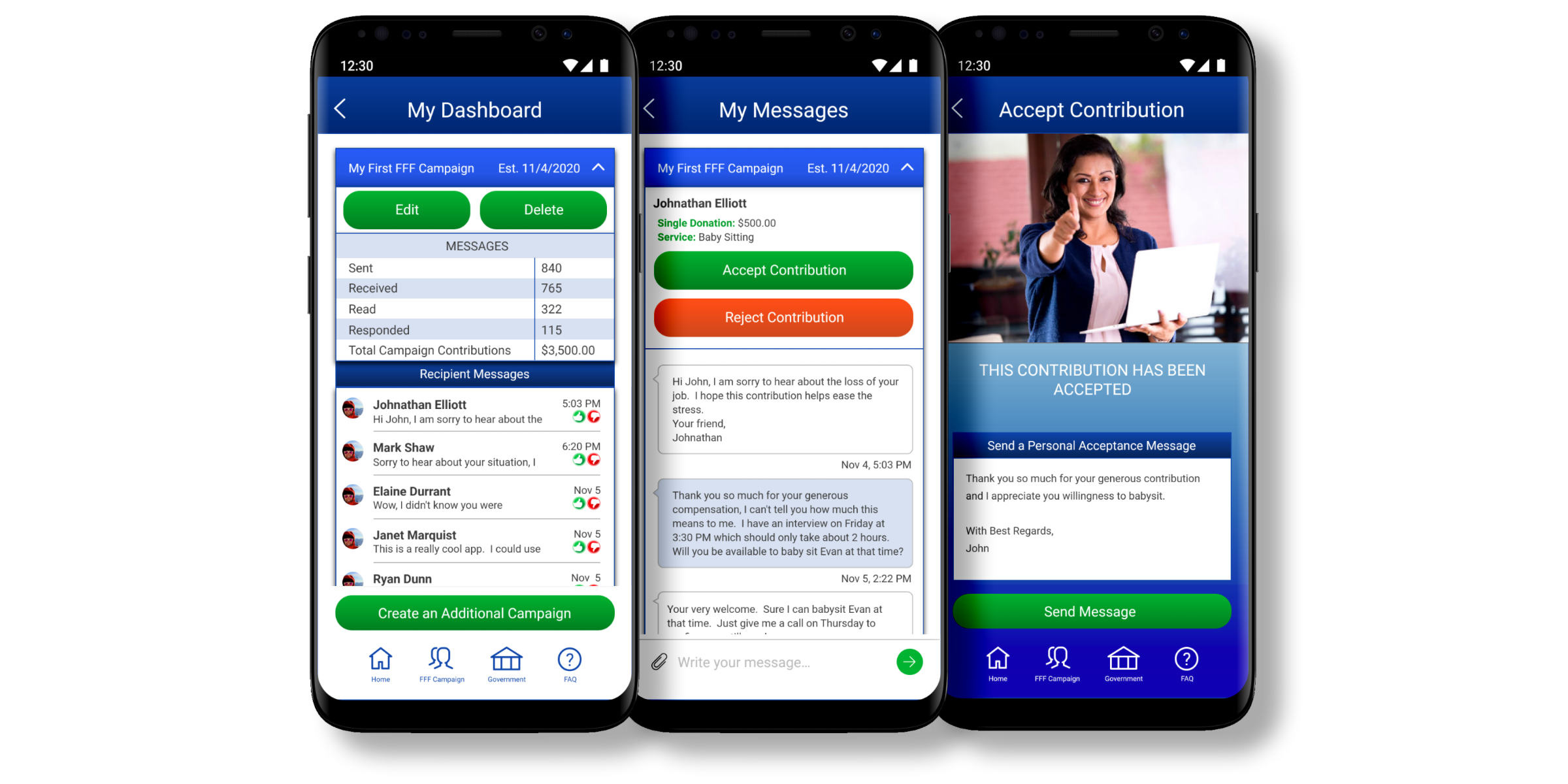
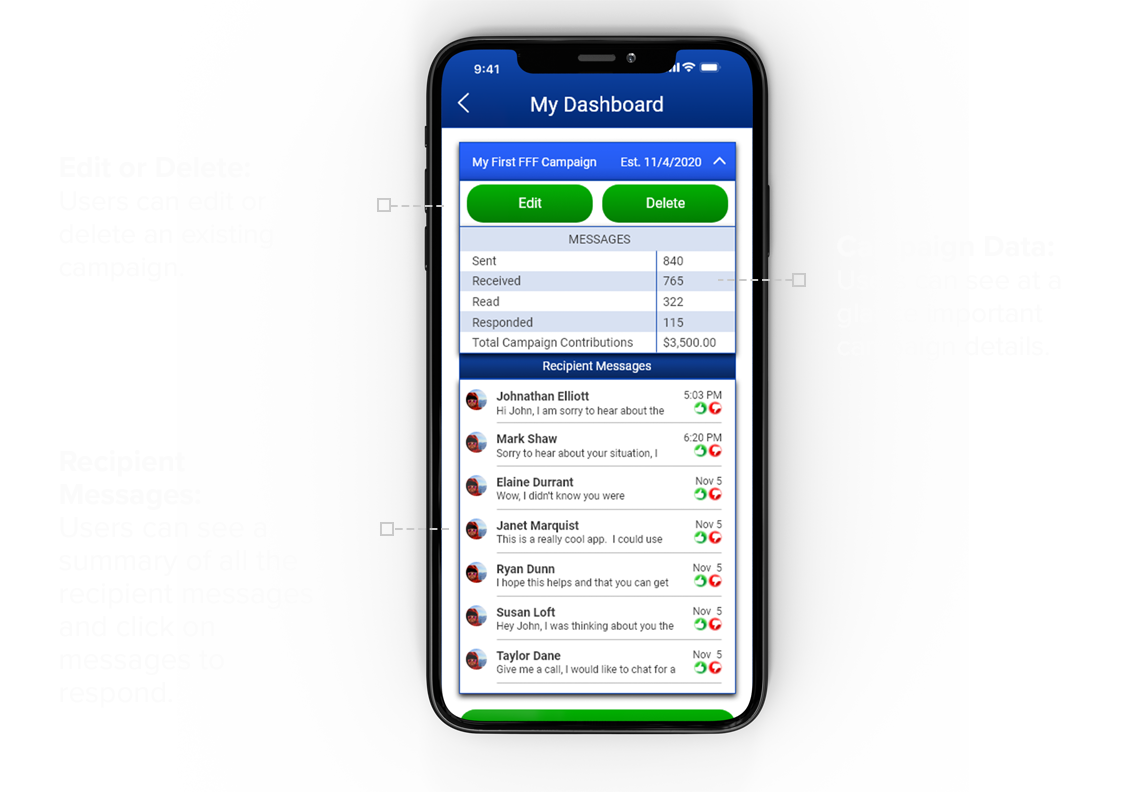
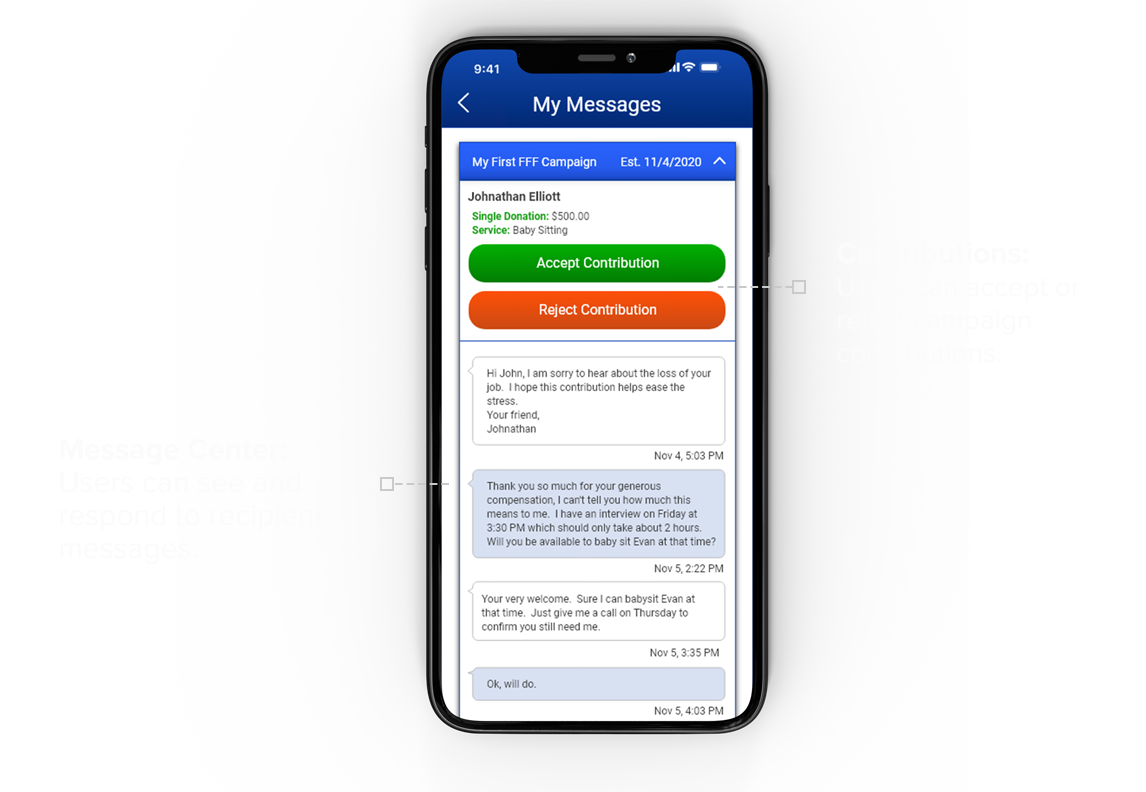
The dashboard is the heart of the Leg UP app. Users can
- See the status of their campaigns
- Open recipient messages
- Accept or reject campaign contributions
- Communicate with campaign contributors
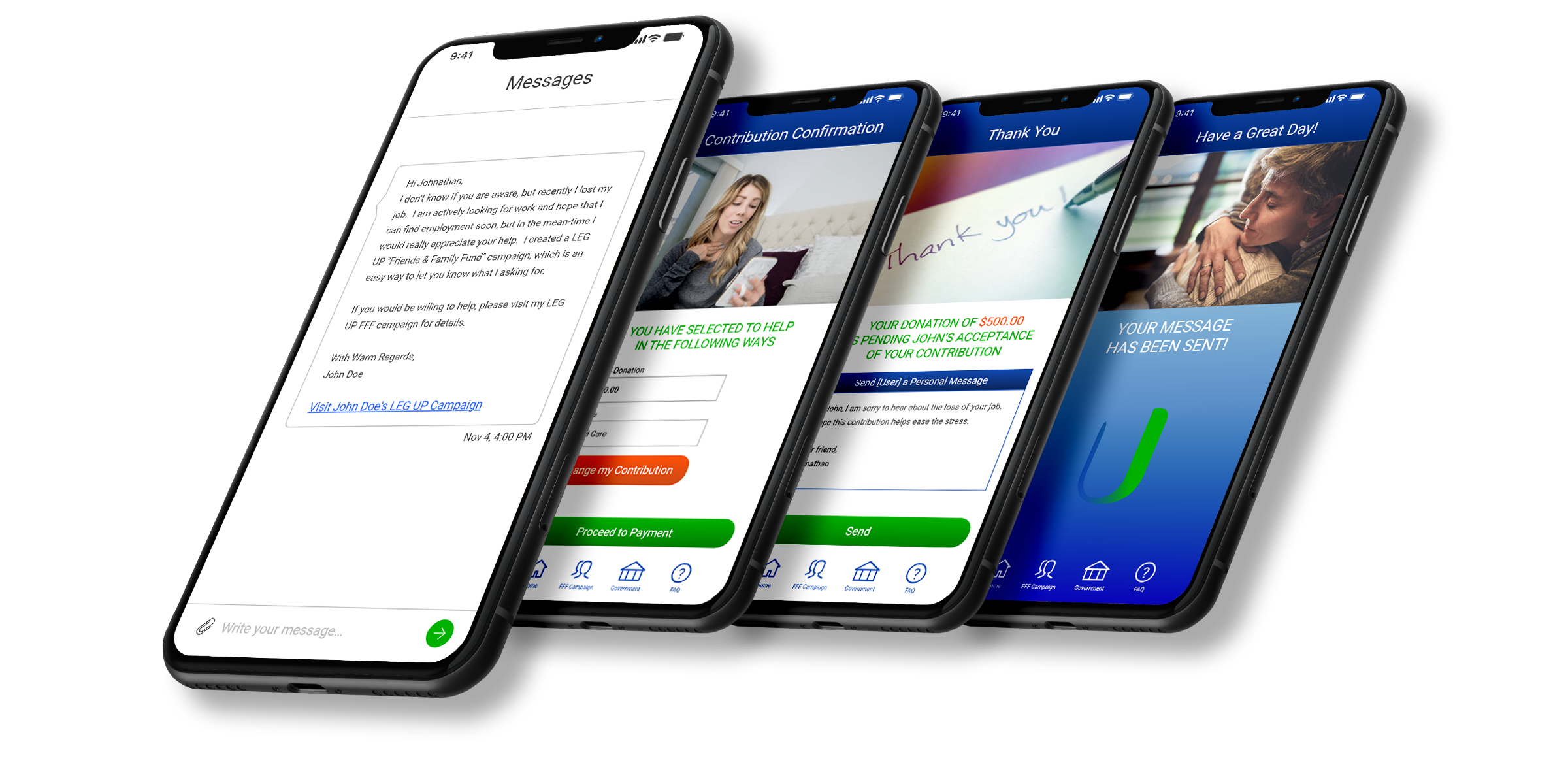
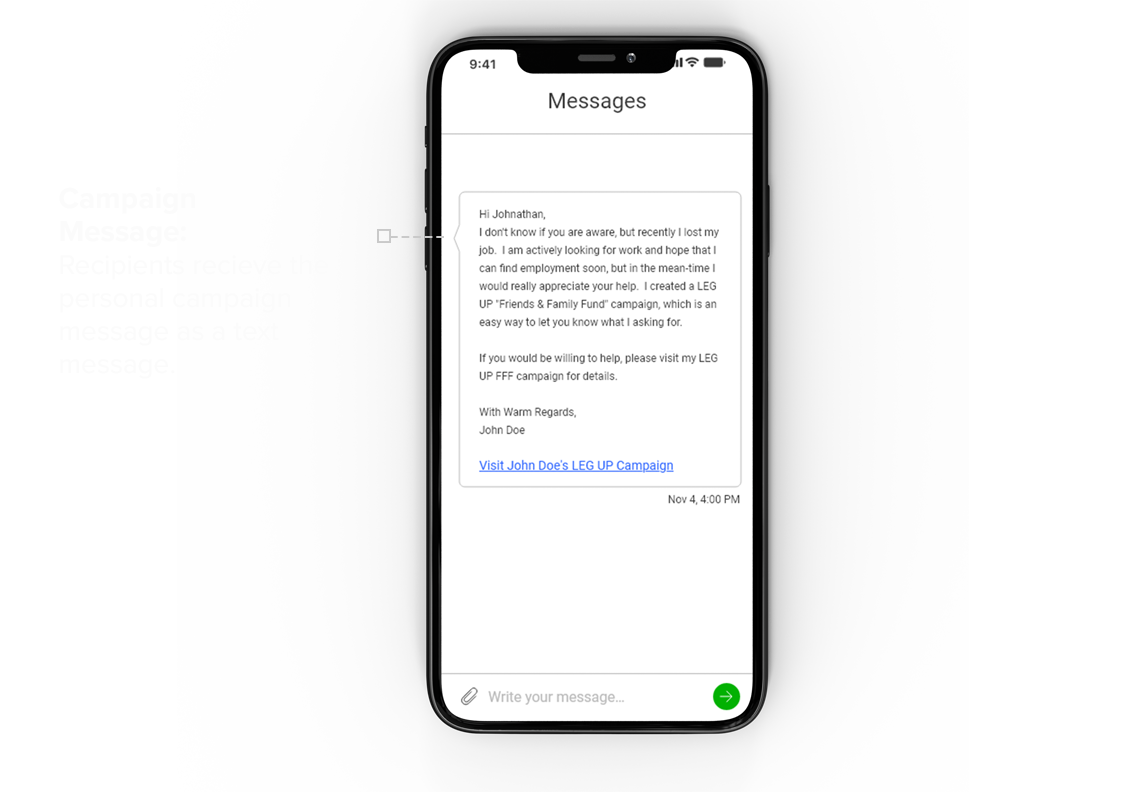
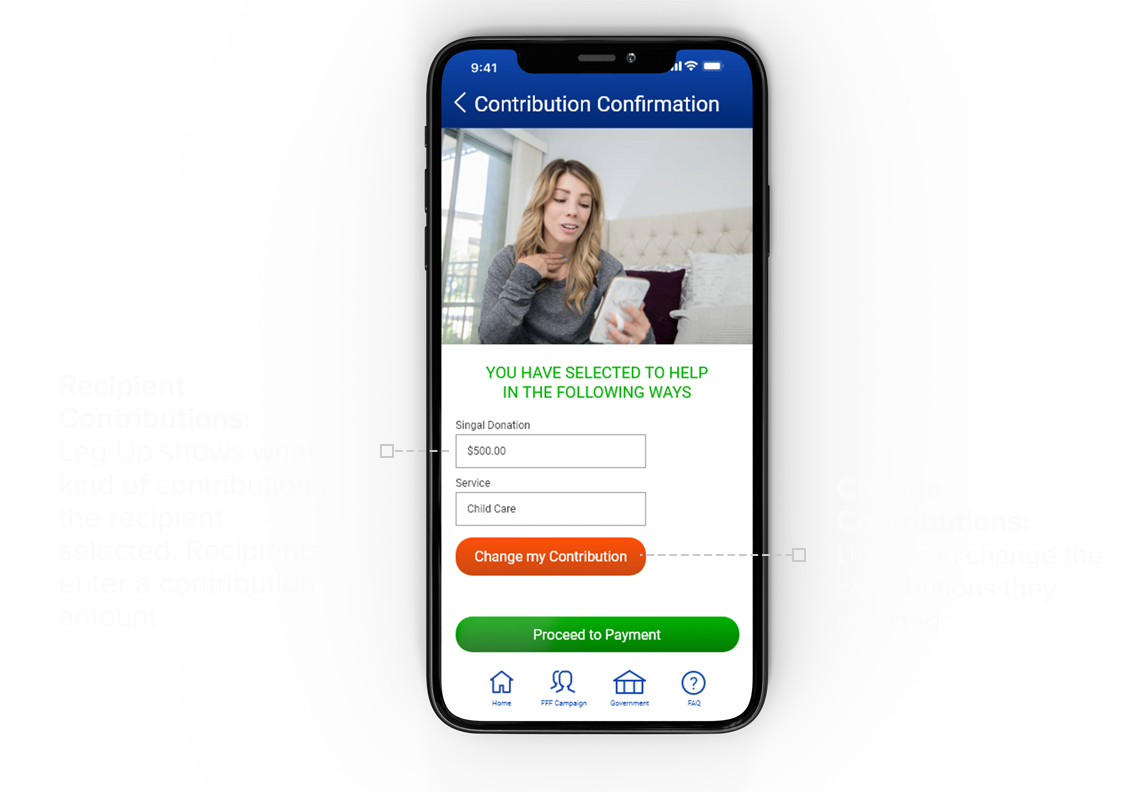
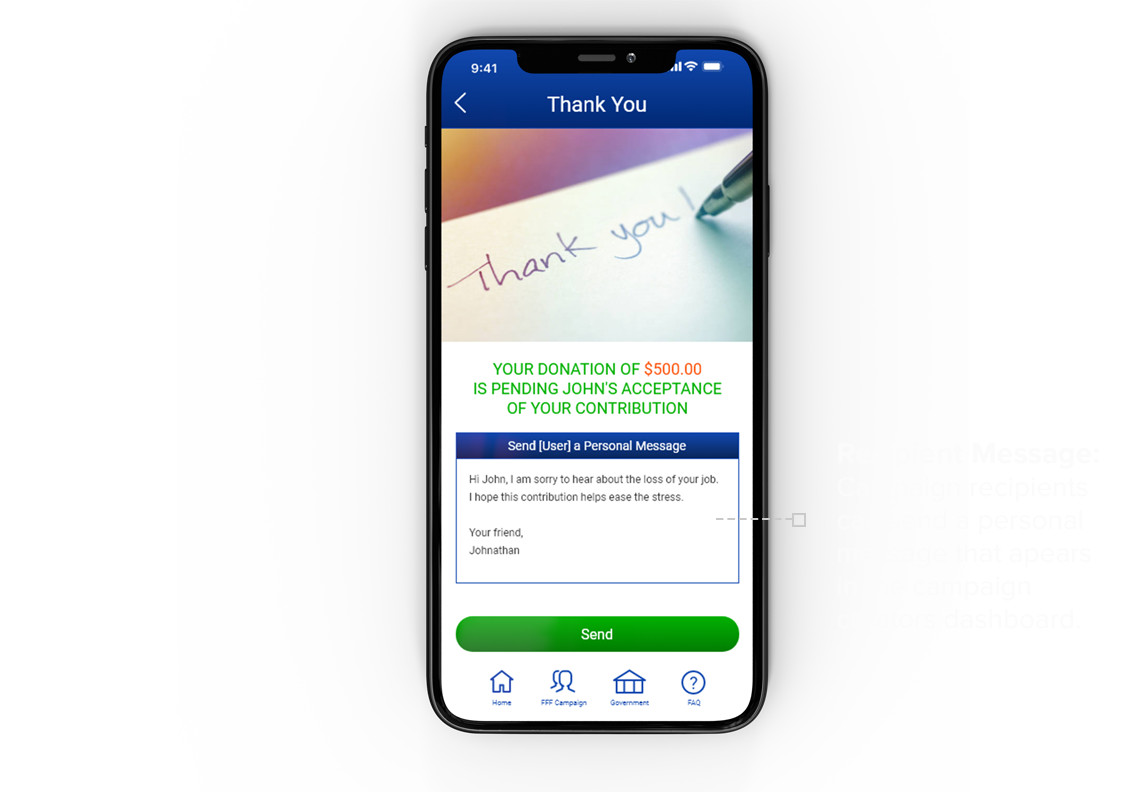
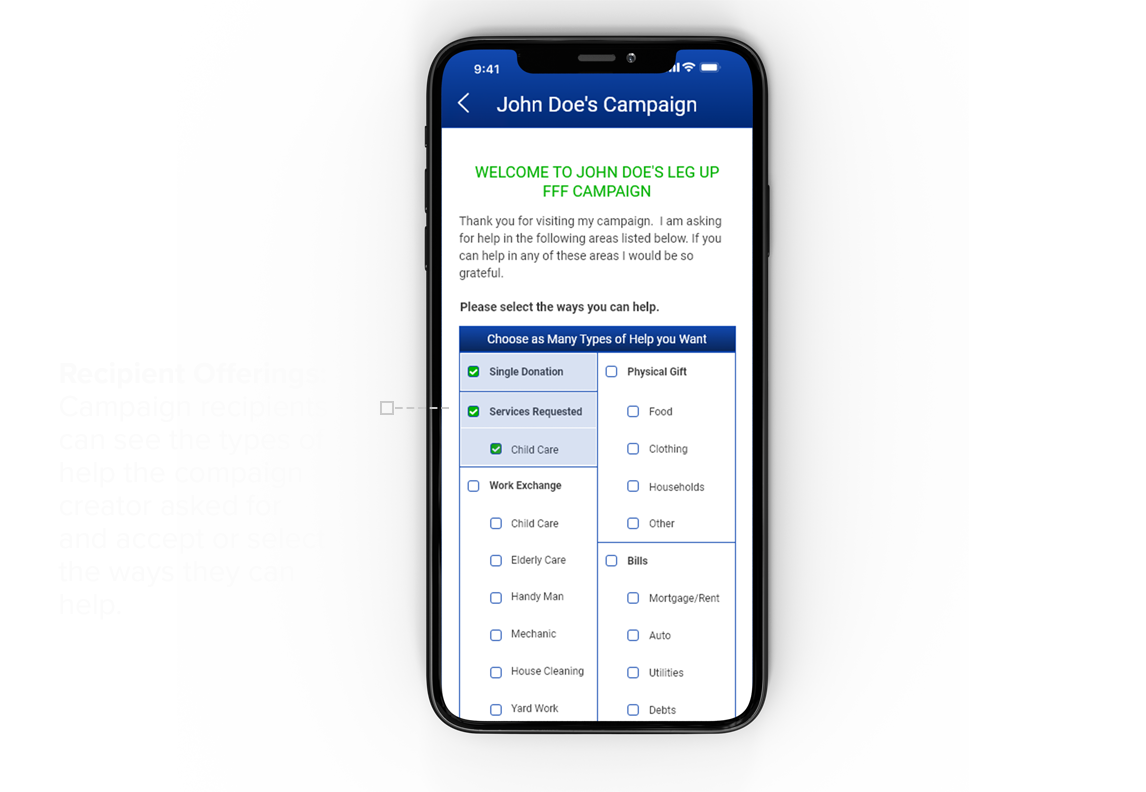
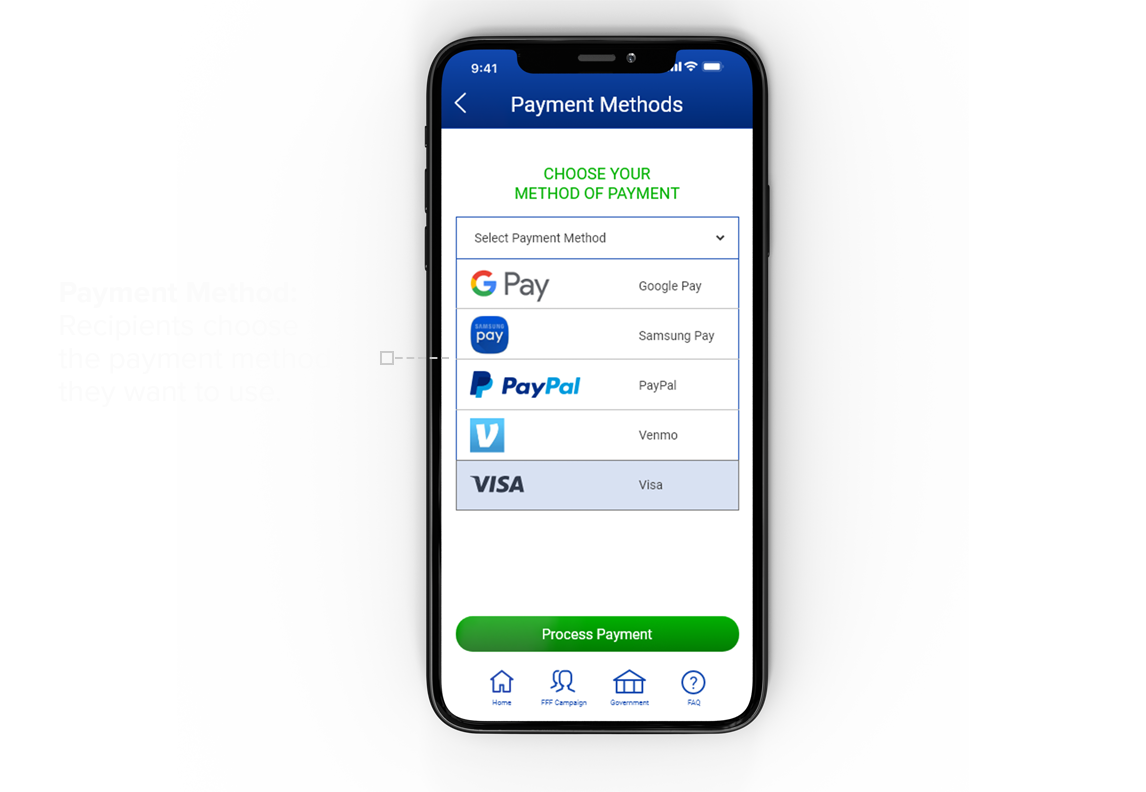
FFF campaign recipients receive a text message in their phone or social media accounts requesting help. The recipient can respond to the message, select the ways they can help, financially contribute to the campaign, and send a personalized message to the campaign creator.
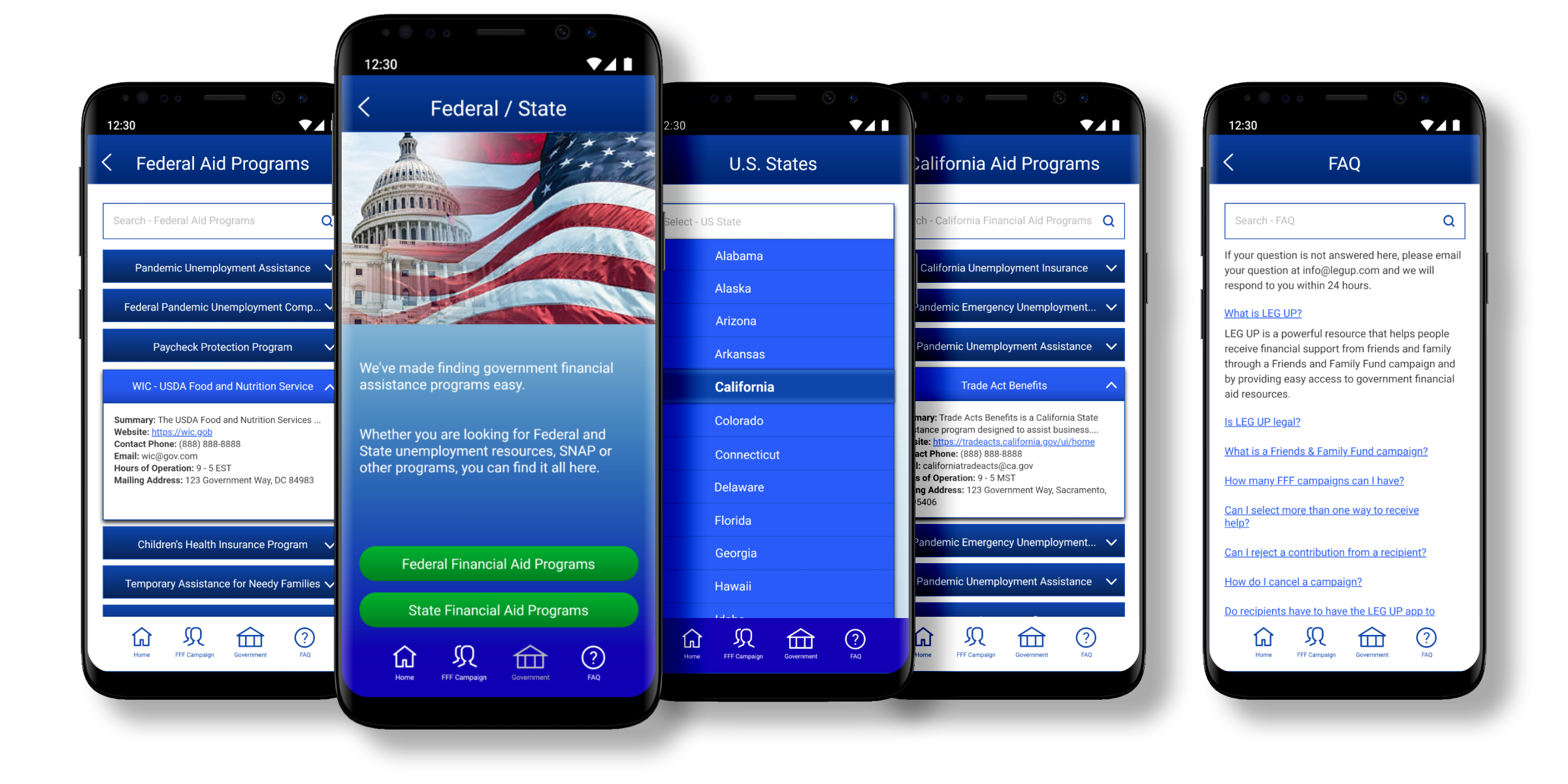
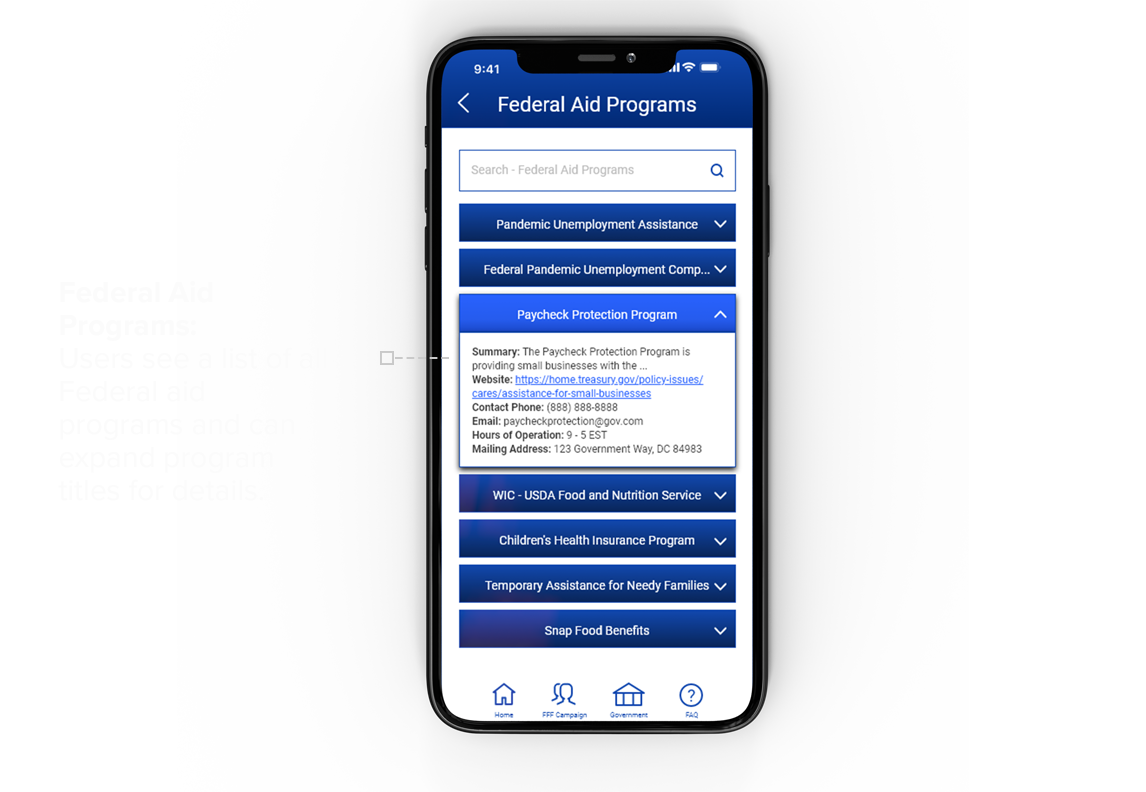
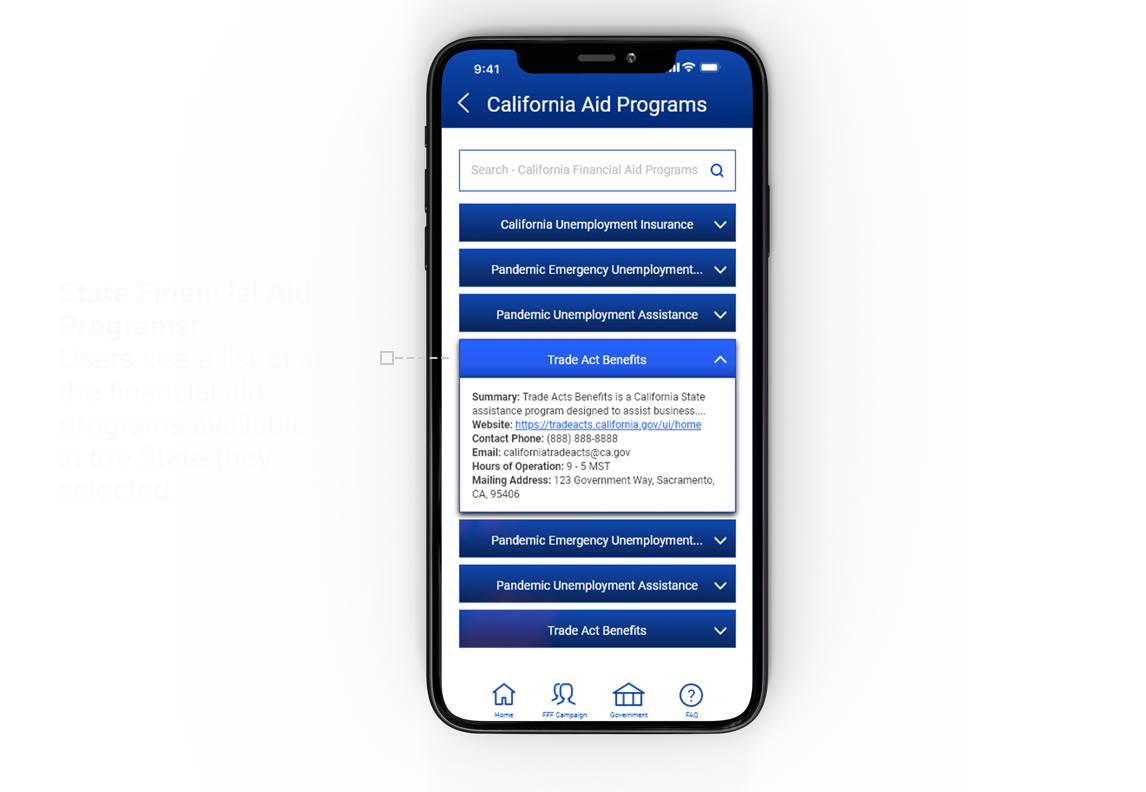
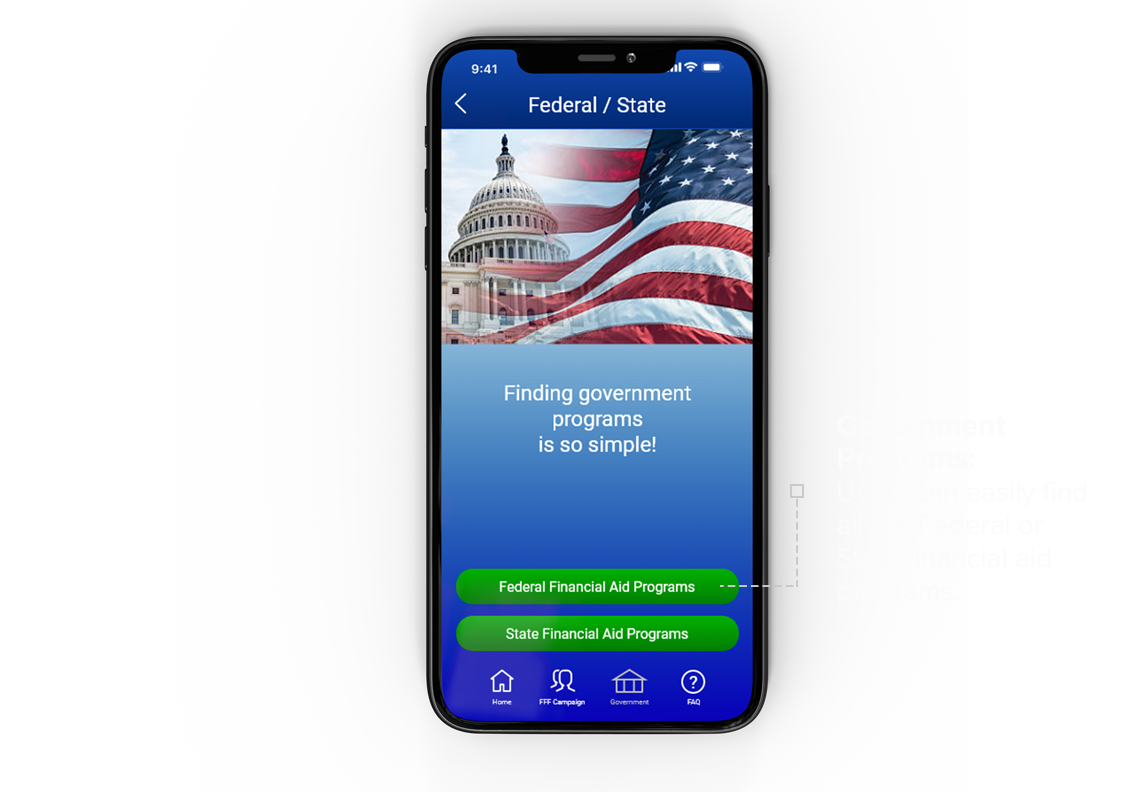
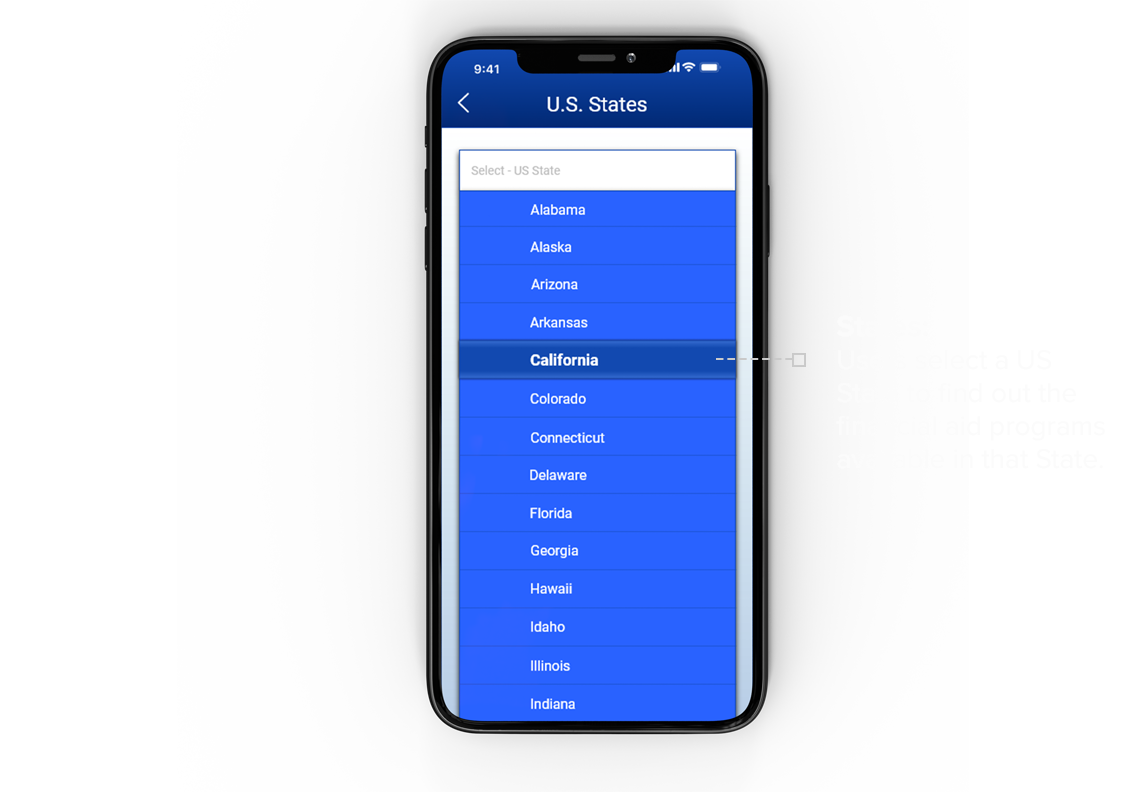
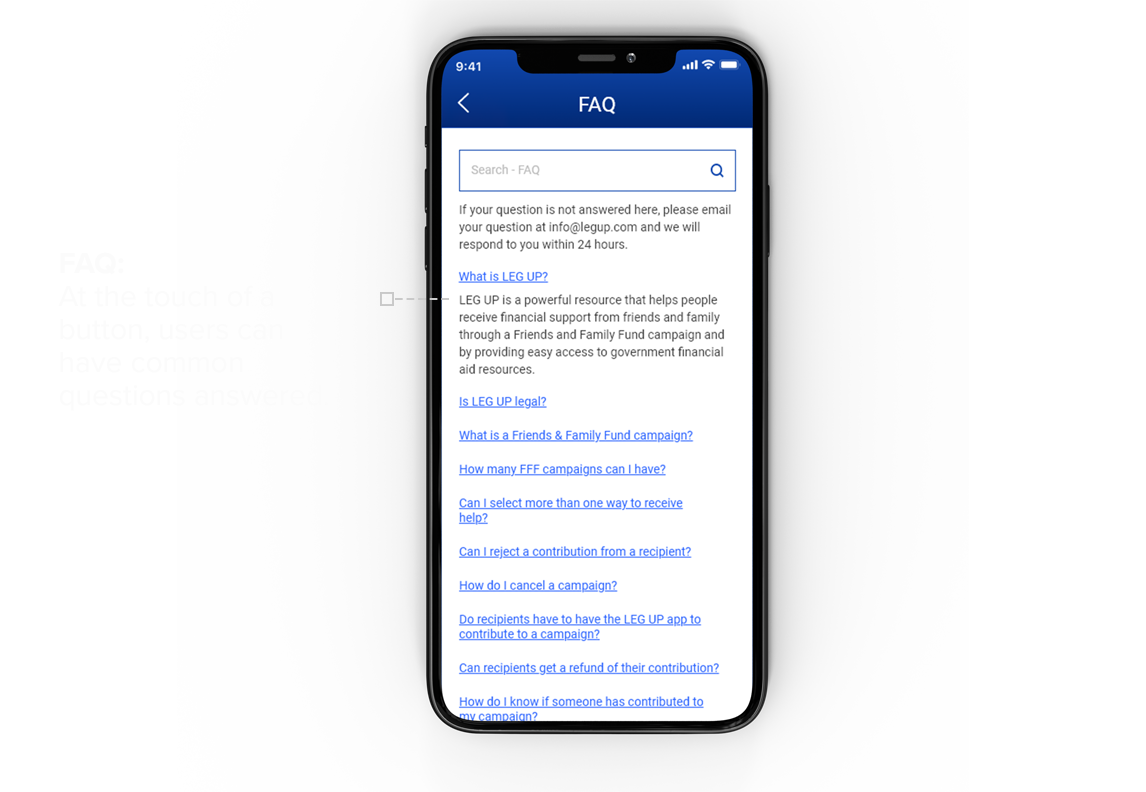
The user can easily identify all of the Federal and State programs or go to the FAQ section to answer questions.

USER TESTING RESULTS &
INSIGHTS
In both sessions, I learned a lot about the product’s weaknesses, holes, strengths, areas which needed improvements, and features that are needed to help the product grow and mature over time.
Here are some of the design challenges I learned.
- One of the central frictions that confused users was how the app synced with their social networks.
- Users were confused if they could create multiple campaigns and customize the ask and message for each campaign.
- Some of the test participants expressed concern about how the recipients of a campaign message would know that the message was not a scam.
- Still another concern was if the user “had” to accept contributions or if they could reject them.
These and other issues were carefully considered and changes were adopted.

Understanding the user through user research and incorporating user testing at each stage of the product’s development has helped me quickly understand if the design is moving in the right direction and has increased the confidence that the product’s design will both meet the needs of the user and be a delightful experience in the same moment.

The purpose of this app is to provide a valuable solution to the millions of people who are struggling with unemployment. This app bridges the gap between the person who needs help and the people who can provide that help. It also makes finding government programs simple and easy.
While the process of developing this design has been a rewarding experience, it currently only resolves one of the 3 types of challenges unemployed people face.
Further designs should include:
- A “Hub” of discounted services from local professionals, including, legal, medical, counseling, day-care and transportation services, etc., as well as discounted professional job-recruiters, job-finders, skills-training, and educational services. Many, if not all of these services already exist. This app can help connect these services with the people who need them the most.
- A social networking platform, specifically designed for unemployed people, which allows the users to create groups specific to their demographic. Users can join online communities with real people who can provide empathetic support because they are going through a similar experience. Leg UP groups provide additional networking opportunities.
Developing these two valuable phases would create a complete set of solutions to answer all the needs of unemployed people in one app.
Let’s be honest. Unemployment affects millions of people each year. The next one could be you! Life is hard enough. Wouldn’t it be nice to find a way to get a Leg UP when your chips are down? While government support is nice, wouldn’t it be better to know that there are friends, family members, and communities there to help support you when times get hard? With the Leg UP app, this dream can become a reality!
 jayhoop.com